Description
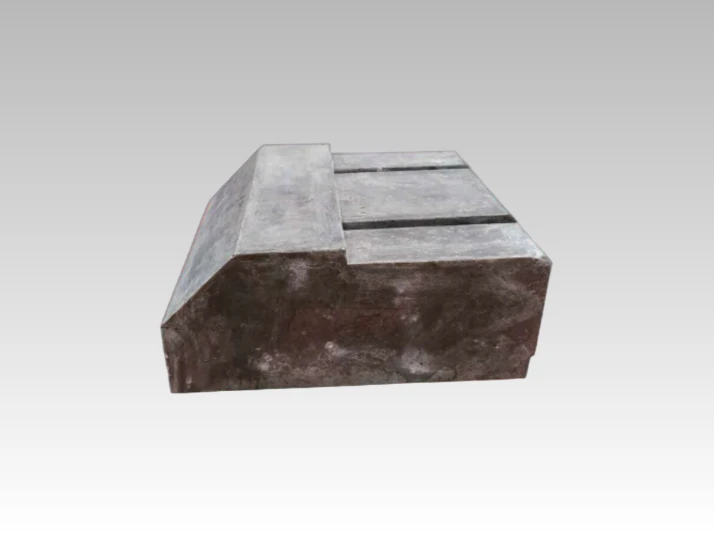
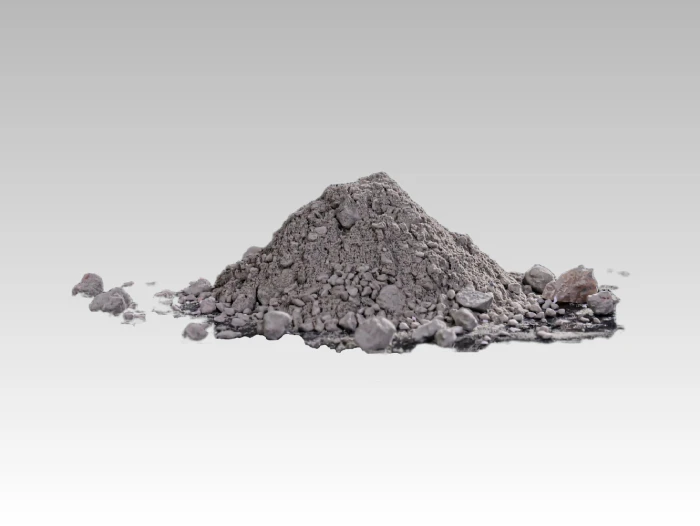
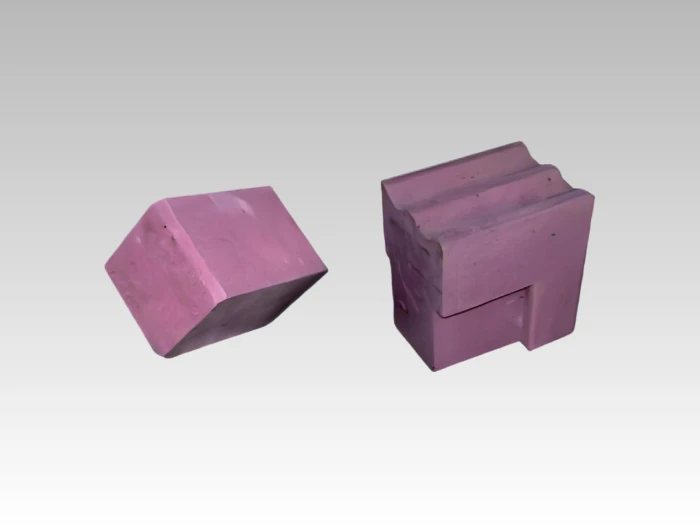
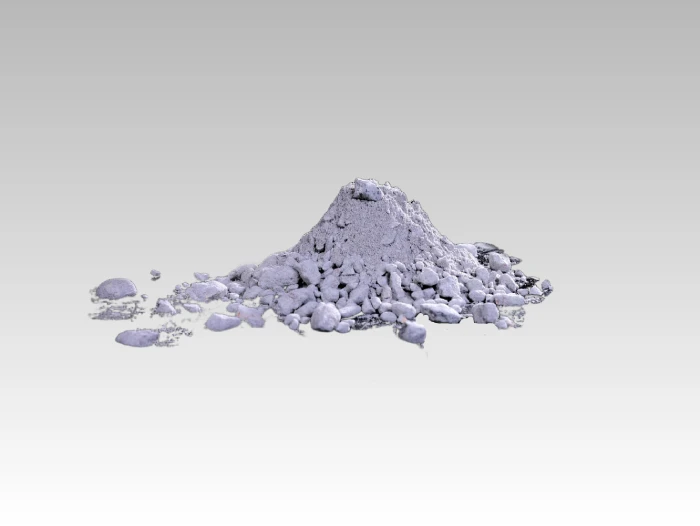
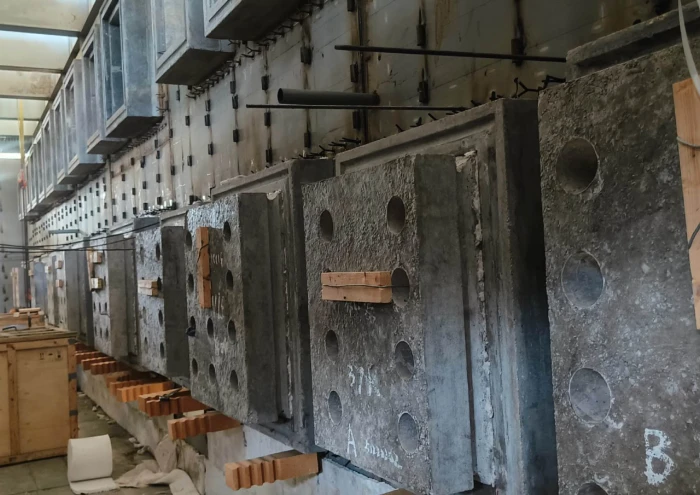
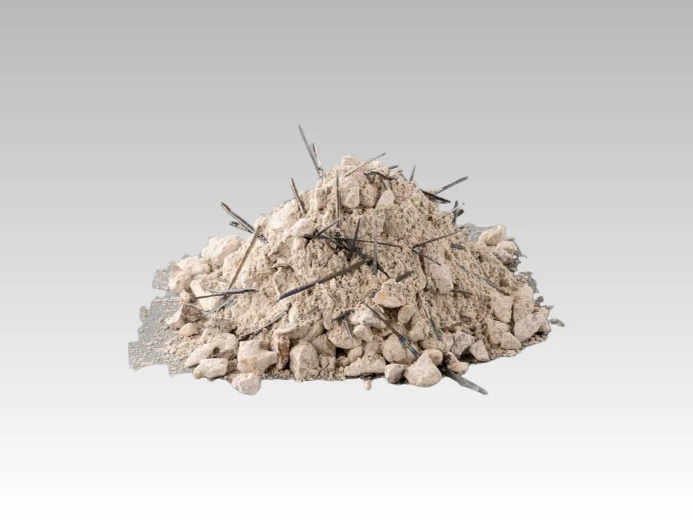
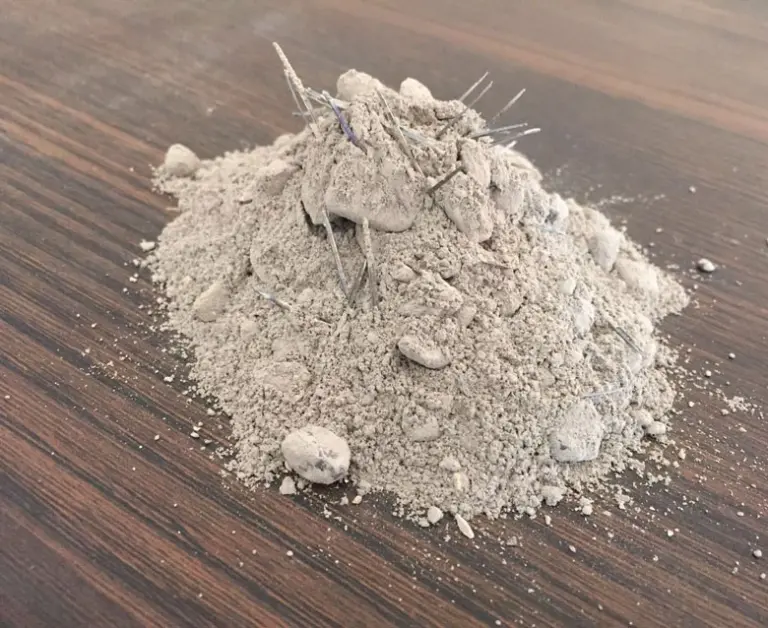
JHR Steel Fiber Reinforced Castable incorporates 3-5% heat-resistant stainless steel fibers into a high-alumina refractory matrix, creating a three-dimensional reinforcement network that dramatically improves mechanical toughness, thermal shock resistance, and spalling resistance. This castable delivers a 50% improvement in thermal shock performance over conventional monolithic refractories, making it the ideal solution for furnace zones subject to severe mechanical impact, rapid temperature fluctuations, and cyclic operation. Typical applications include furnace doors, burner blocks, knock-out panels, and discharge chutes.
Key Features
Typical Applications
- Furnace door surrounds and door frames subject to thermal cycling and mechanical impact
- Burner blocks and burner quarl areas experiencing intense thermal cycling during start-stop operations
- Discharge chutes, knock-out panels, and transfer points exposed to hot stock impact and thermal shock
- Charging doors and charging machine entry points in batch-type furnaces
- Sidewall protection zones near tapping holes and slag lines in certain furnace designs
- Expansion joint fillers and monolithic patches in areas of high mechanical and thermal stress
Technical Specifications
| Al2O3 Content | ≥ 60% |
| Steel Fiber Content | 3 – 5% (by weight) |
| Steel Fiber Material | Heat-resistant stainless steel (Cr-Ni alloy) |
| Steel Fiber Dimensions | 0.5 mm x 0.5 mm x 20-25 mm (typical) |
| Bulk Density after Firing (g/cm³) | ≥ 2.4 |
| Cold Crushing Strength after Firing (MPa) | ≥ 80 |
| Modulus of Rupture / Flexural Strength (MPa) | ≥ 10 |
| Thermal Shock Resistance (1100°C, water, cycles) | ≥ 30 |
| Refractoriness (°C) | ≥ 1750 |
| Permanent Linear Change after Firing at 1500°C (%) | -0.5 to +0.5 |
Available Forms & Sizes
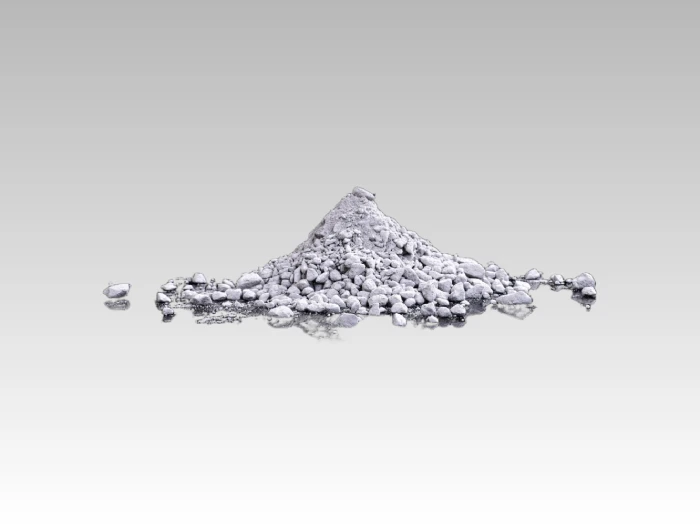
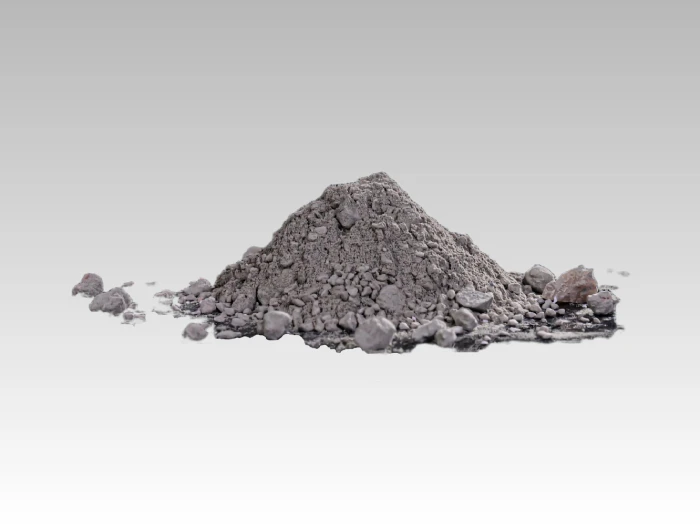
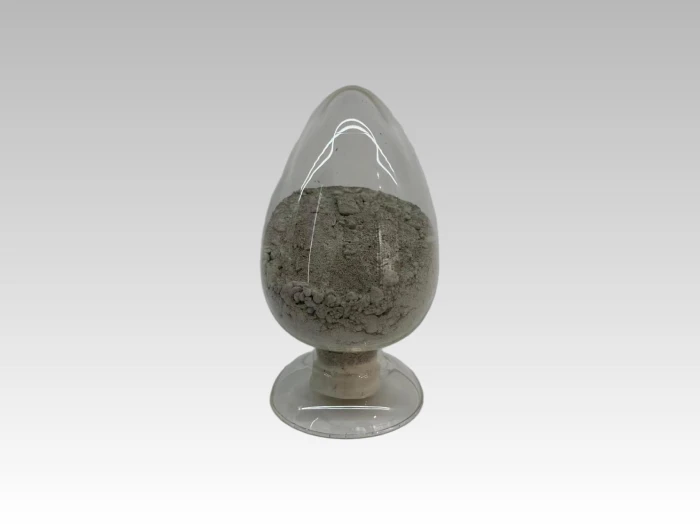
- Dry-mixed material in 25 kg bags or 1-ton bulk bags, steel fibers uniformly distributed throughout the dry mix
- Available in grades: 60% Al2O3 (general purpose), 70% Al2O3 (medium duty), 80% Al2O3 (high duty)
- Steel fiber options: standard crimped (3%), hooked-ended (4-5%) for enhanced pull-out resistance
- Shelf life: 12 months when stored in sealed, dry conditions. Protect from moisture ingress.
- Custom fiber content and matrix composition available for specific application requirements
Installation / Application Method
Add clean water (typically 5-7% by weight, per product data sheet) to a forced-action mixer (pan or paddle type). Add dry castable material and mix for 3-5 minutes until homogeneous. Do not use a free-fall (drum) mixer as it will not adequately disperse steel fibers.
Pour the mixed material into formwork within 30 minutes of water addition. Place in layers not exceeding 200 mm thick. Vibrate using internal poker vibrators or external form vibrators until surface becomes glossy and air bubbles cease to escape. Do not over-vibrate as this may cause fiber segregation.
Use steel or hardwood formwork, coated with a releasing agent. Ensure formwork is rigid and properly sealed to prevent grout loss. Allow forms to remain in place for minimum 24 hours.
Keep cast surfaces moist for 24-48 hours after initial set. Cover with polyethylene sheeting or wet hessian to prevent plastic shrinkage cracking.
Critical for steel fiber castables. Follow controlled heating: hold at 110 degrees Celsius for 24 hours (moisture removal), then ramp at 15 degrees Celsius per hour to 350 degrees Celsius and hold for 8 hours. Continue at 25 degrees Celsius per hour to 600 degrees Celsius, hold 4 hours, then ramp at 50 degrees Celsius per hour to operating temperature.
Provide expansion joints at 1.0-1.5 m intervals in large expanses, filled with compressible ceramic fiber board (5-10 mm thickness).
Quality Assurance
Incoming stainless steel fibers are tested for material grade (chemical composition by XRF), dimensions, and tensile strength. Fiber content in the finished mix is verified by washing out a sample and weighing recovered fibers.
Blending processes are validated to ensure uniform distribution of steel fibers throughout the dry mix. Periodic samples are taken from different points in the batch and fiber content is verified to be within specification.
Finished castable is tested for bulk density, cold crushing strength, flexural strength (modulus of rupture), and thermal shock resistance. Thermal shock testing is performed on cured and fired test panels to verify the fiber reinforcement effectiveness. Test certificates accompany each shipment.