Background
In the hot rolling process, reheating furnaces are subject to harsh operating conditions: working temperatures exceeding 1300°C, frequent temperature fluctuations during production cycles, corrosive iron scale and alkali attack, as well as constant thermal radiation on water cooling beams. Traditional monolithic linings and brickwork often suffer from thermal spalling, scale penetration, and premature wear on critical zones, resulting in frequent shutdowns for maintenance, rising heat loss, and increased energy consumption per ton of steel. To enhance lining reliability and thermal efficiency, a zone-specific, engineered refractory solution is required to address each furnace section’s unique operational challenges.
Solution
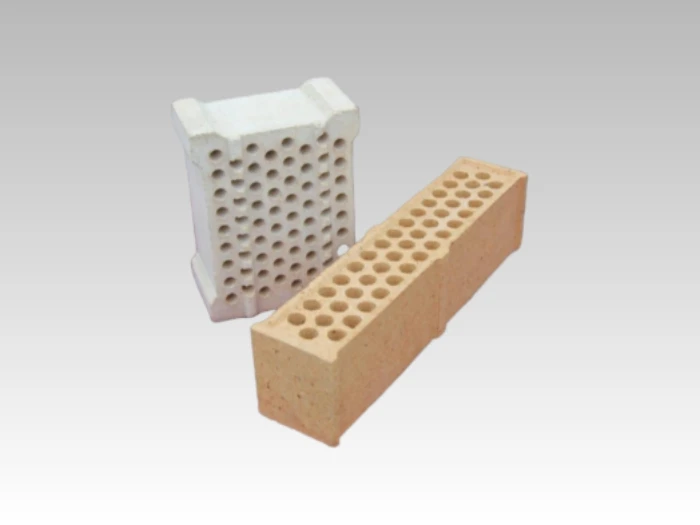
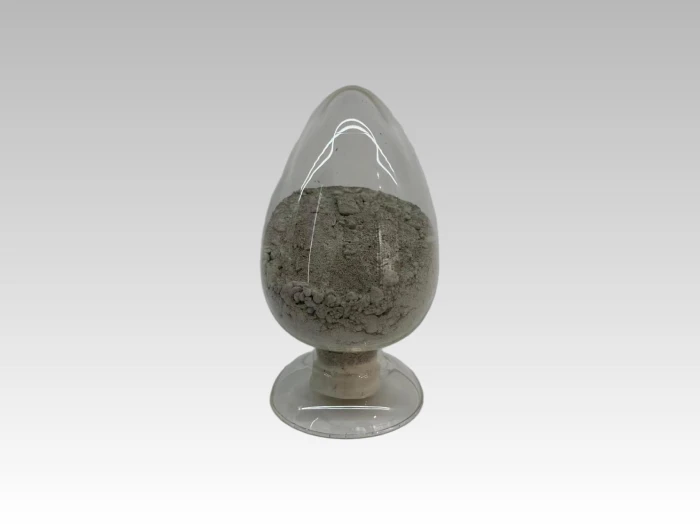
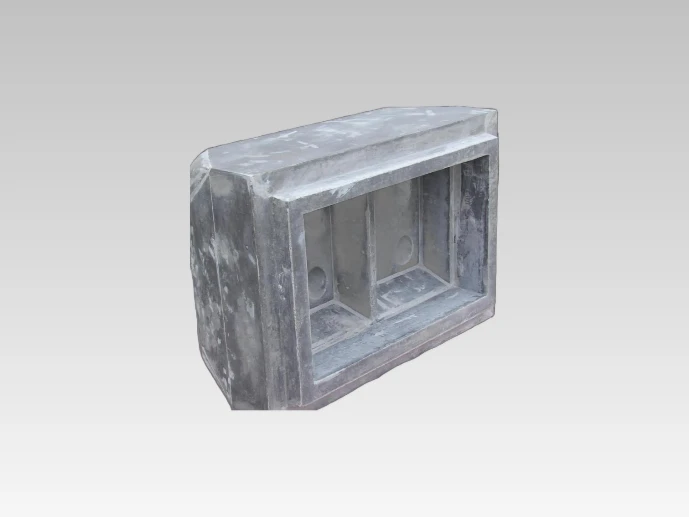
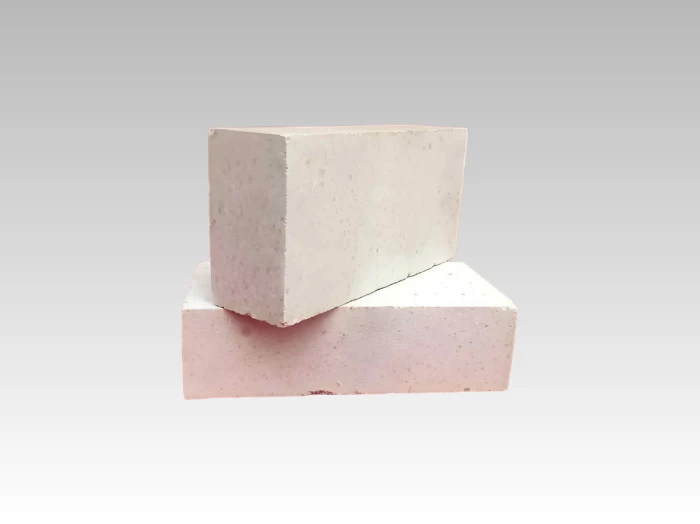
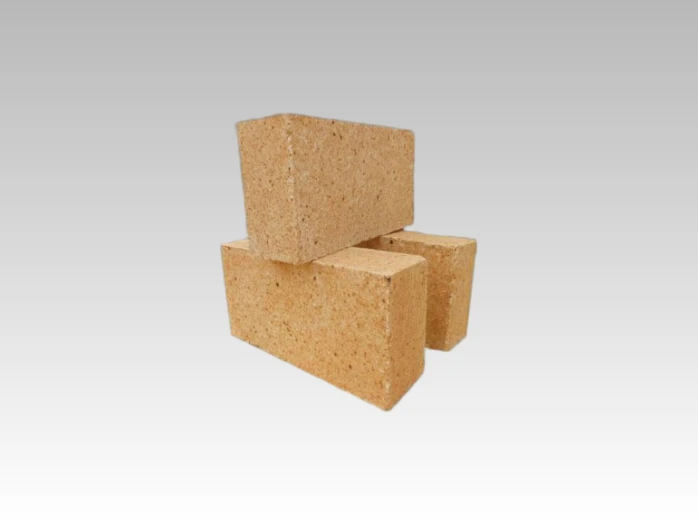
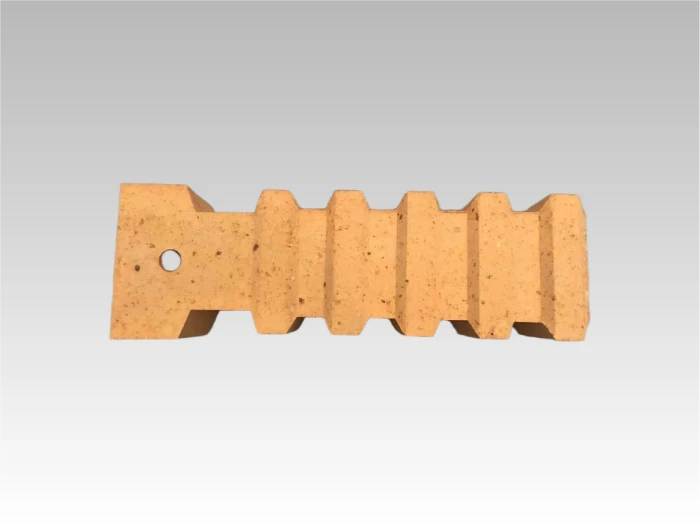
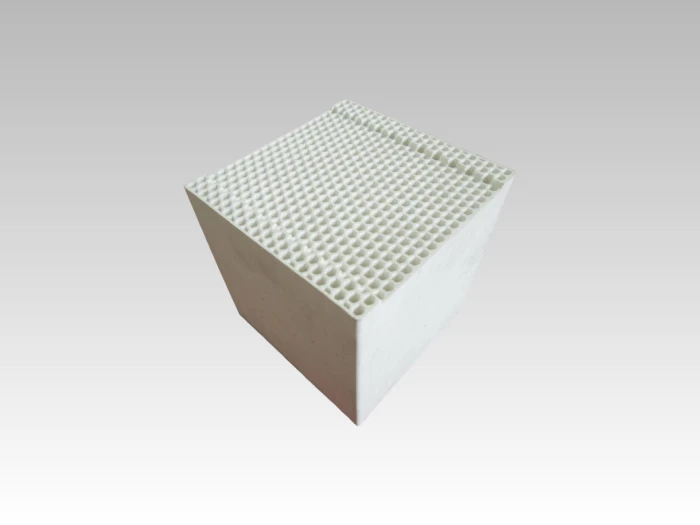
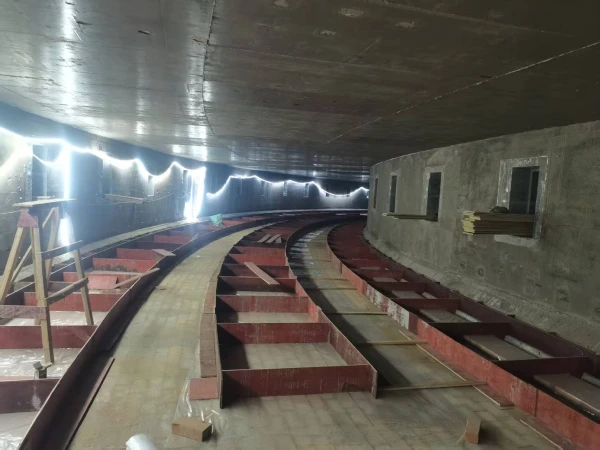
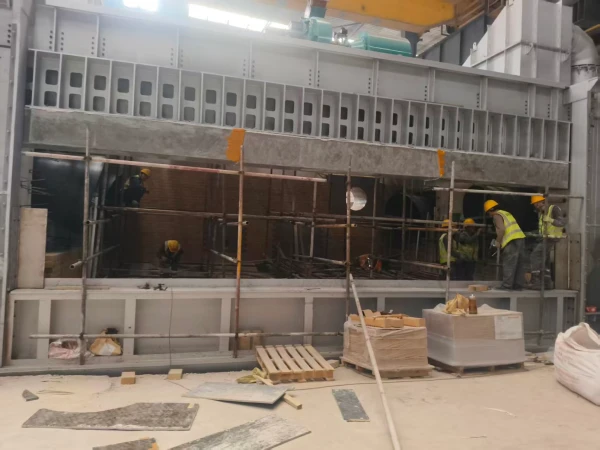
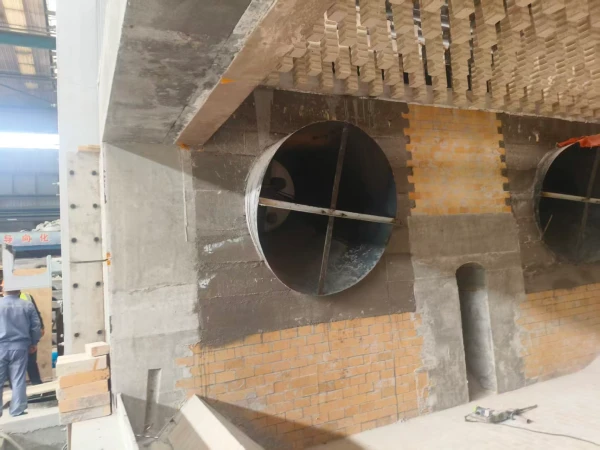
Refractory selection follows a precision-engineered strategy tailored to each furnace zone.For the furnace roof system, the insulation layer adopts JH lightweight high-density castables. Featuring a microporous matrix structure, the material delivers low thermal conductivity while maintaining high hot strength, effectively minimizing heat dissipation through the roof. The furnace roof working lining is equipped with low-cement high-alumina castables, optimized in particle grading and binder system to provide excellent volume stability and thermal shock resistance under long-term high-temperature exposure.For water beams and supporting columns, JH self-flow castables are applied. With excellent flowability and self-leveling performance, they form seamless, dense linings around complex structural components without intensive vibration, protecting cooling elements from high-temperature radiation and scale buildup.On furnace sidewalls, factory-prefabricated lining modules ensure high dimensional accuracy and shorten on-site installation cycles. For regenerative reheating furnaces, JH burner bricks and regenerative box assemblies are core solutions: high-alumina burner bricks withstand repeated flame impact and thermal cycling; the integrated regenerative boxes, consisting of panel bricks and honeycomb ceramic bodies, achieve high heat exchange efficiency and extended service life.For the furnace bottom wear layer, JH low-cement slag-resistant castables are specified. Reinforced with premium bauxite and alumina-magnesia spinel phases, the material resists iron scale penetration and mechanical abrasion from moving billets.
Conclusion
Investing in zone-matched, high-performance refractory solutions is a strategic investment for sustainable profitability in steel production. It extends furnace campaign life, reduces unscheduled downtime for lining repair, and improves thermal efficiency to lower fuel and energy costs. Ultimately, a well-designed refractory strategy translates into higher operational stability, more consistent billet heating quality, and a stronger competitive edge for steel rolling manufacturers.