Background
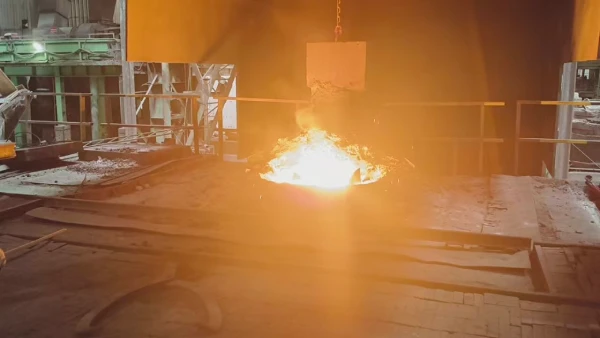
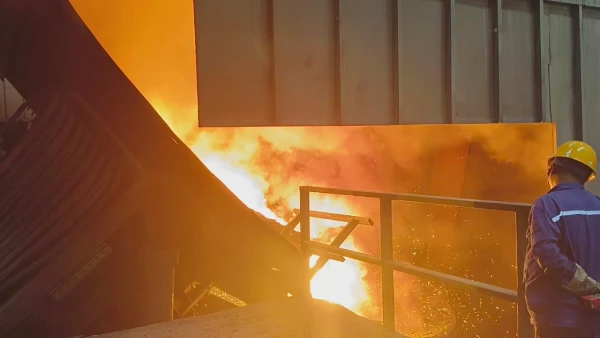
Induction furnace melting processes face severe operational challenges: rapid temperature rise and cycling, vigorous agitation and erosion from molten metal, continuous electromagnetic vibration, and potential leakage risks. Traditional lining materials often suffer from uneven sintering, poor penetration resistance, and premature cracking, leading to short campaign life, high power consumption per ton of metal, and safety hazards from molten metal leakage. To extend lining service life and secure stable production, a systematic refractory solution covering working lining, safety protection and wear zone repair is essential.
Solution
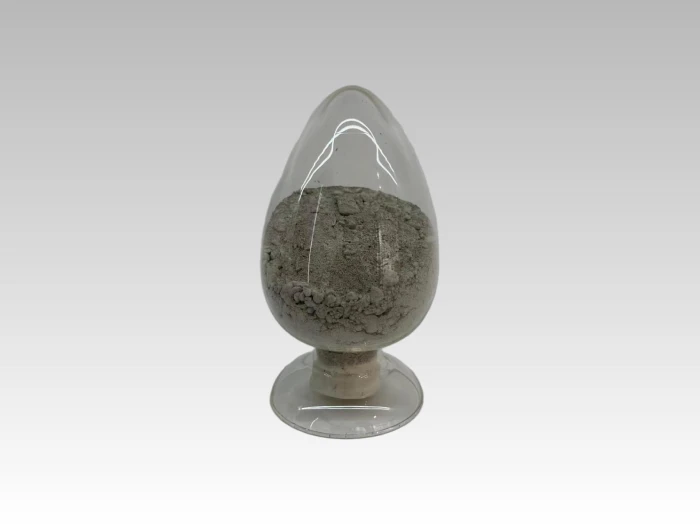
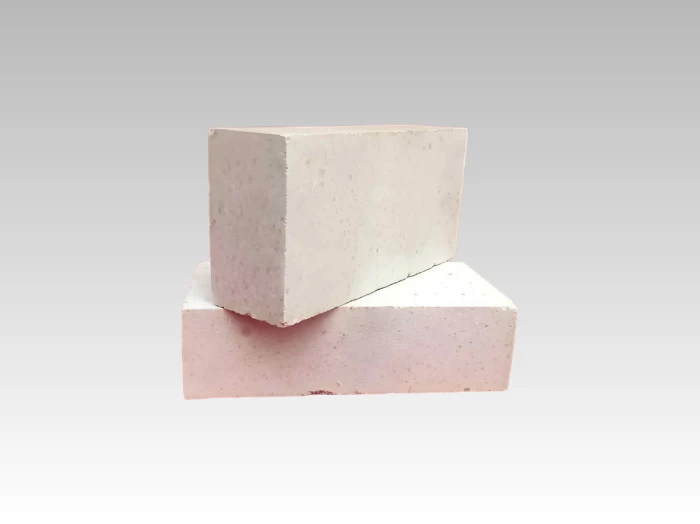
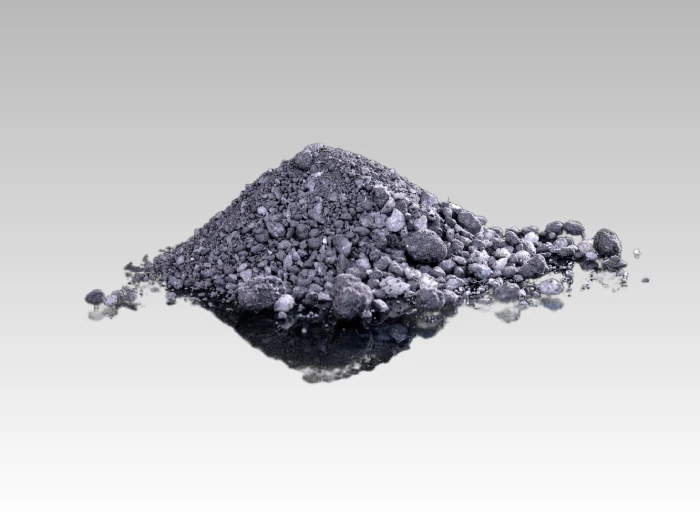
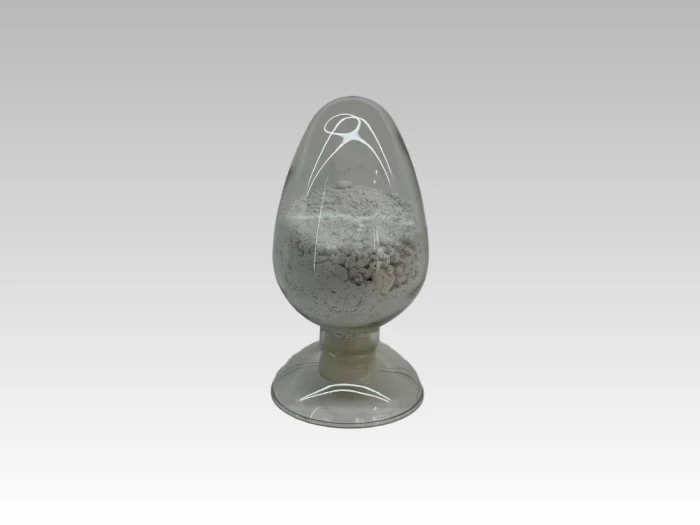
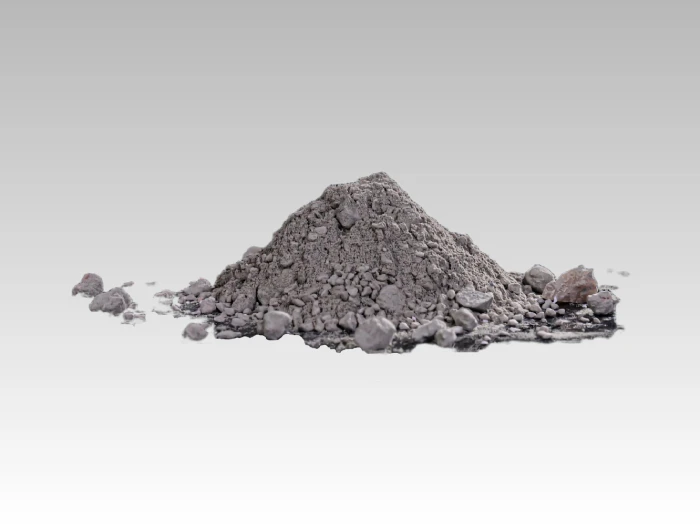
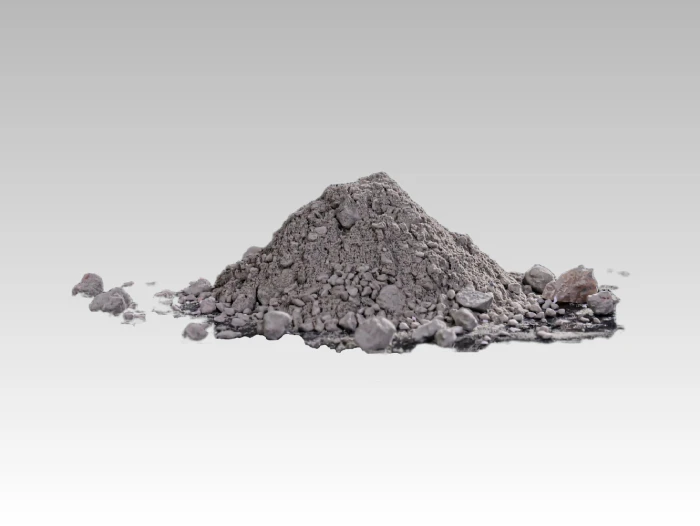
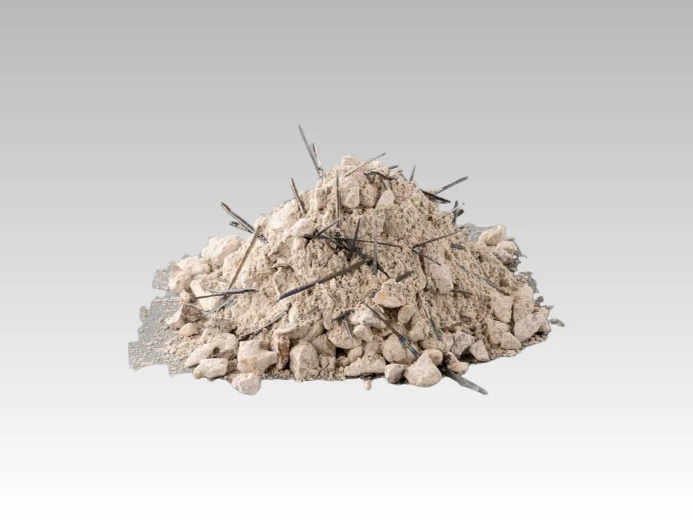
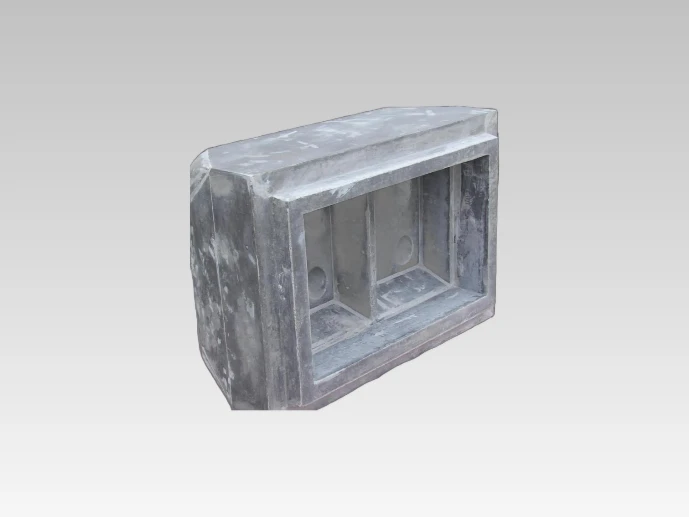
The refractory system is designed with layered protection and zone-specific optimization for all furnace components.The primary working lining adopts JH induction furnace dry ramming mixes, available in acidic, neutral and alkaline formulations to match cast iron, cast steel, copper alloy and other melting applications. Based on dense particle packing technology and high-purity raw materials, the ramming mixes deliver uniform sintering behavior, excellent molten metal penetration resistance and thermal shock stability, ensuring long and reliable campaign life.For the safety protection system, JH provides dedicated safety lining materials and coil grout. The coil grout features outstanding electrical insulation and thermal insulation properties, protecting copper induction coils from high-temperature damage and accidental metal penetration. The safety lining acts as a secondary containment barrier to prevent molten metal from reaching the furnace shell and coil assembly.For high-wear zones including the top cap, spout and furnace cover, JH patching mixes and special high-temperature additives are supplied for rapid on-site repair and wear resistance enhancement. Furnace bottom support rings and pusher blocks adopt high-strength wear-resistant castables, which withstand the mechanical impact of charging and discharging operations.
Conclusion
Investing in a complete, application-matched refractory lining system is a strategic move for foundries to achieve sustainable profitability. It extends furnace campaign life, reduces unplanned shutdowns for lining replacement, and lowers specific power consumption through improved thermal insulation. Ultimately, a robust refractory strategy delivers higher operational safety, higher melting productivity, and a stronger competitive position in the foundry market.