Description
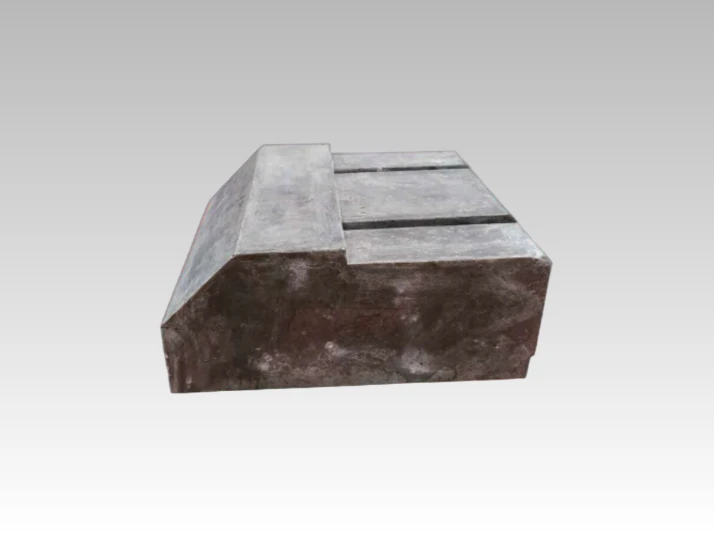
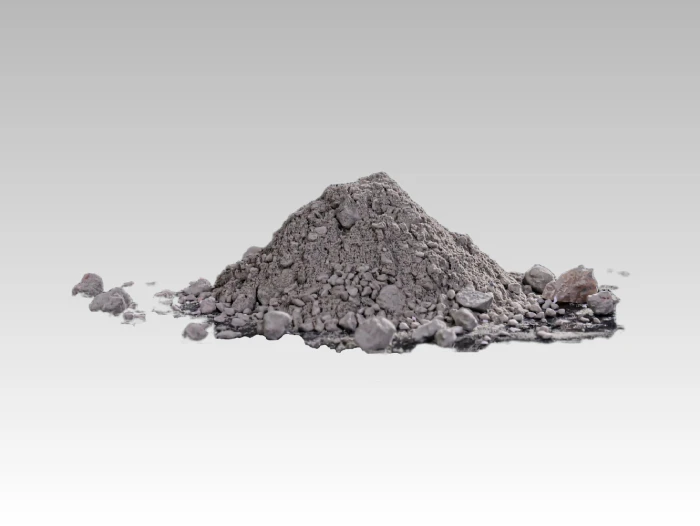
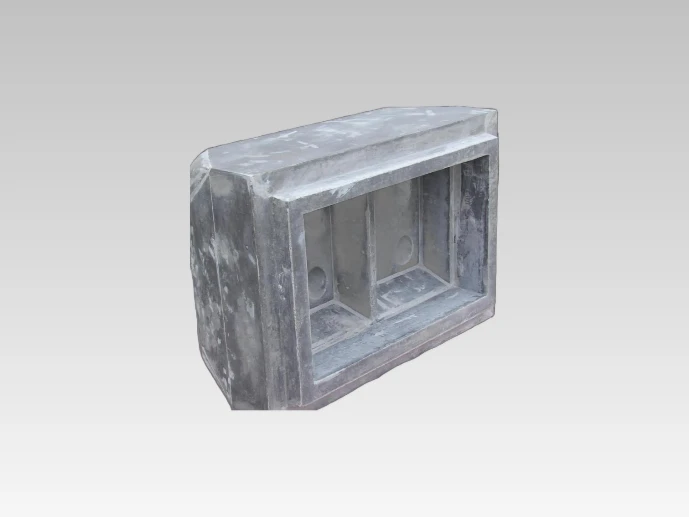
JHR Furnace Bottom Slag-Resistant Castable is a high-density monolithic refractory specifically formulated to withstand the aggressive chemical attack of molten iron oxide scale, slag, and metallic drippings encountered in reheating furnace hearths, beds, and discharge zones. Through a combination of high-density matrix design, optimized pore structure, and proprietary anti-wetting additives, this castable significantly reduces slag penetration depth and oxide scale bonding, extending furnace bottom service life and facilitating easier deslagging operations during maintenance shutdowns.
Key Features
Typical Applications
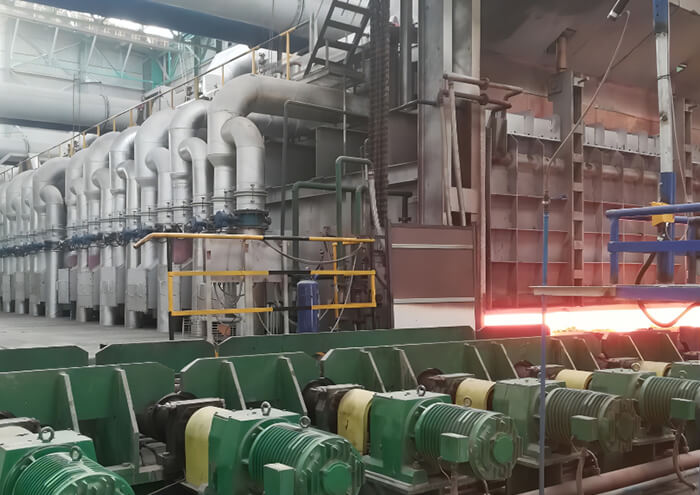
- Reheating furnace hearth and bottom linings in walking beam and pusher-type furnaces
- Furnace bed areas where iron oxide scale accumulates and melts during operation
- Discharge end floors and skid areas exposed to heavy oxide scale drop-off
- Slag pockets and drainage channels in furnace bottoms
- Tapping areas and slag dams in certain furnace designs
- Ladle linings and ladle slag zones in steelmaking operations
Technical Specifications
| Property | Typical Value |
| Al2O3 Content | ≥ 70% |
| Bulk Density after Firing (g/cm³) | ≥ 2.7 |
| Cold Crushing Strength after Firing (MPa) | ≥ 100 |
| Slag Erosion Index (1600°C, 2h, rotary slag test) (mm) | ≤ 5 |
| Slag Penetration Depth (1600°C, 2h) (mm) | ≤ 8 |
| Refractoriness (°C) | ≥ 1790 |
| Refractoriness Under Load (T0.6, °C) | ≥ 1550 |
| Apparent Porosity after Firing (%) | ≤ 14 |
| Permanent Linear Change after Firing at 1500°C / 3h (%) | -0.3 to +0.3 |
Available Forms & Sizes
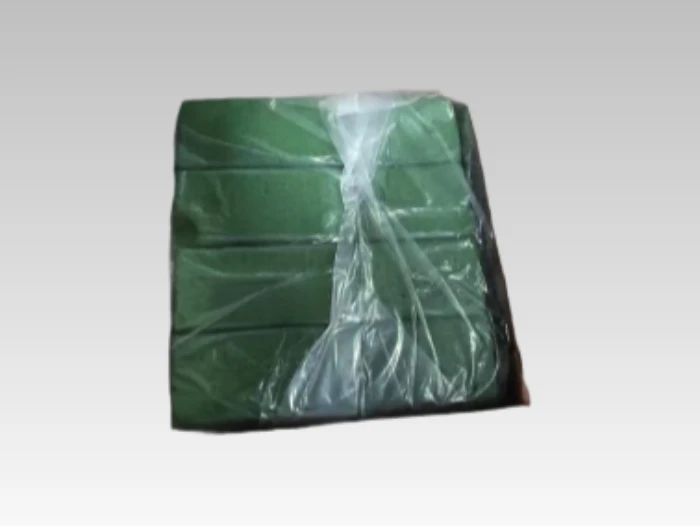
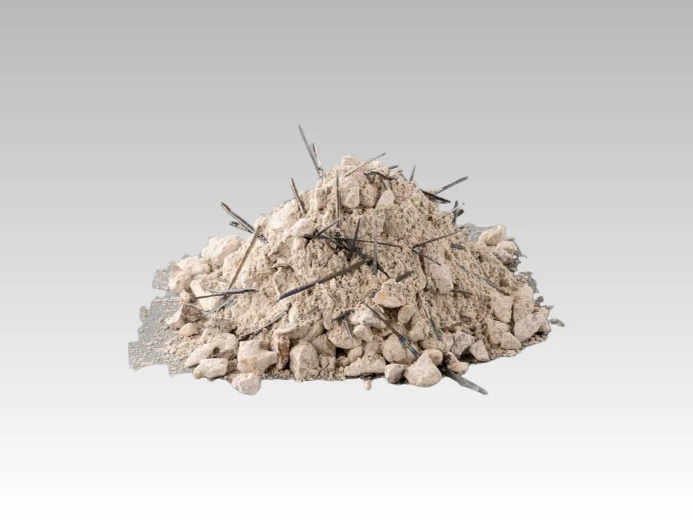
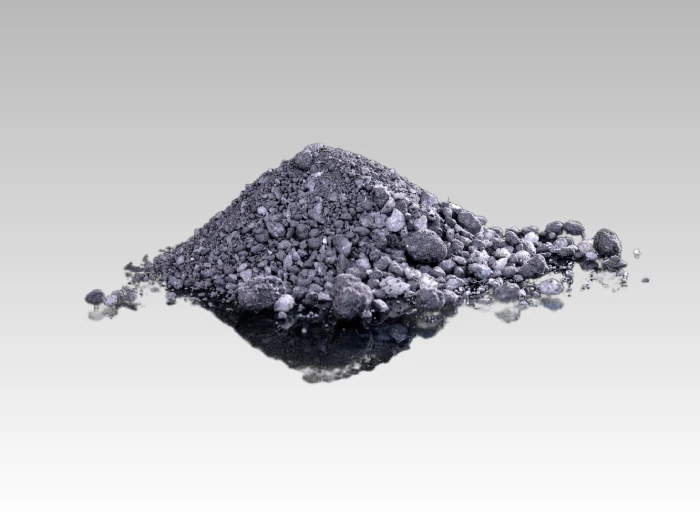
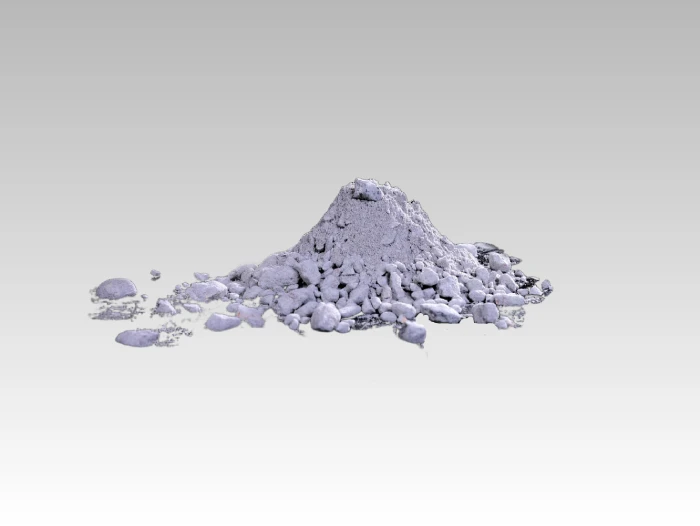
- Dry-mixed castable in 25 kg bags or 1-ton bulk bags (FIBC)
- Two standard grades: 70% Al2O3 (standard slag resistance) and 80% Al2O3 (premium grade for severe slag conditions)
- Optional: chromium-containing grade for extreme slag resistance (consult application engineering)
- Optional: silicon carbide (SiC) additive version for enhanced non-wettability against molten metals and slags
- Shelf life: 12 months when stored in sealed packaging in dry conditions
Installation / Application Method
Clean the furnace bottom steelwork and existing refractory of all debris, loose scale, and contaminants. Repair any damaged anchor systems. If installing over existing worn lining, chip away unsound material to a sound substrate.
Use a forced-action mixer. Add 4-5% clean water by weight (as specified on product data sheet). Mix for 4-5 minutes until uniform. Note: this is a high-density, low-porosity mix; ensure thorough mixing for proper deflocculant activation.
Place the mixed material onto the prepared furnace bottom in layers of 100-150 mm. Compact thoroughly using poker vibrators or plate vibrators. For furnace bottom applications, achieving maximum density through adequate vibration is critical for slag resistance performance.
For furnace floor applications, the final surface should be smooth and well-compacted. Trowel the surface to a dense finish to minimize initial slag penetration during the early service period. A dense, glassy surface layer improves slag shedding performance.
Due to the low permeability of this high-density castable, a conservative dry-out schedule is essential. Hold at 110 degrees Celsius for 36-48 hours, ramp at 10-15 degrees Celsius per hour to 350 degrees Celsius with an 8-hour hold, then 20 degrees Celsius per hour to 800 degrees Celsius, then 30-50 degrees Celsius per hour to operating temperature.
Provide at 1.0 m intervals across the furnace bottom, filled with ceramic fiber board. Joints should extend through the full lining thickness. Perimeter joints against the steel shell are also required.
Quality Assurance
High-purity bauxite, fused alumina, and tabular alumina aggregates are selected for their chemical purity and resistance to iron oxide attack. Anti-wetting additives are sourced from approved suppliers and tested for effectiveness before each production campaign.
Pressing, mixing, and vibration protocols are optimized and validated to consistently achieve the target bulk density and low porosity. Test panels are cast and fired from each production batch to verify density achievement.
Periodic rotary slag testing and static slag corrosion testing are conducted to validate the slag resistance performance of the product. Test methods follow industry-standard protocols. Historical slag resistance data is maintained and available for customer review. Each batch is tested for CCS, BD, AP, and PLC before dispatch.