Description
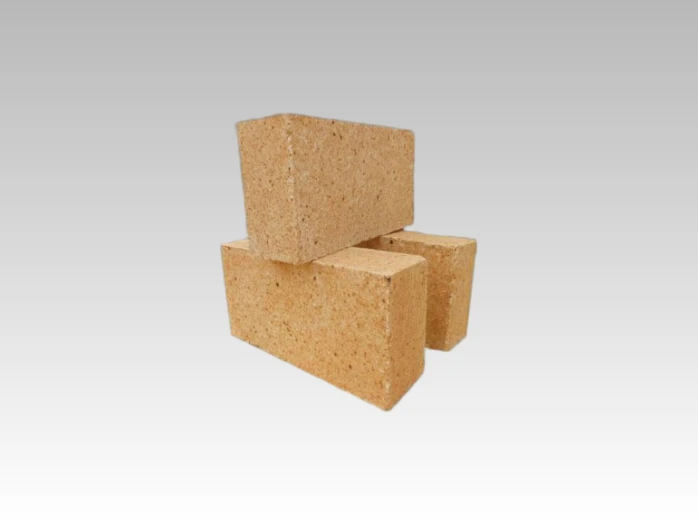
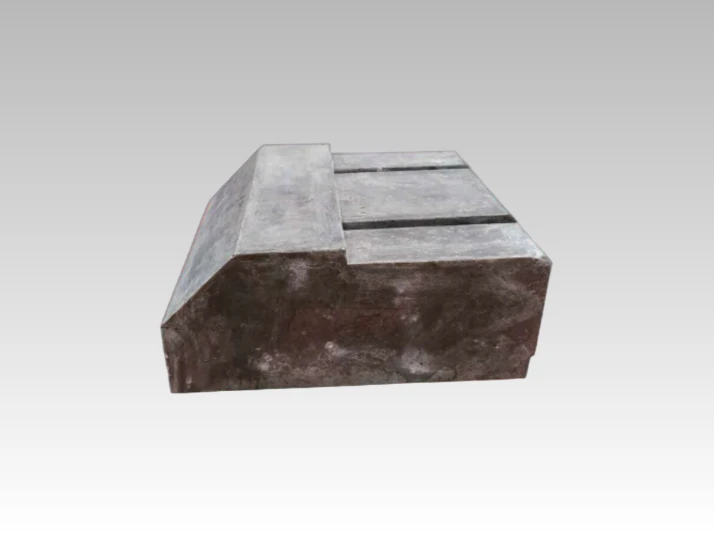
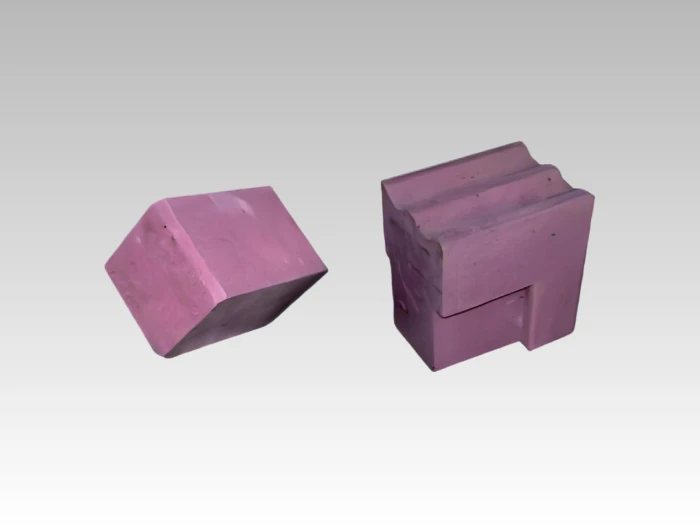
JHR Chrome Corundum Rail Brick and Platform Brick are engineered for the most demanding wear zones in walking beam and walking floor reheating furnaces. Formulated with a proprietary high-chrome corundum composition, these bricks deliver exceptional resistance to abrasion, thermal shock, and slag penetration at operating temperatures exceeding 1650 °C. Field-proven across 4000+ industrial furnace installations, JHR rail bricks extend sliding rail service life by over 30% compared to conventional alternatives, reducing downtime and total refractory cost per ton of steel produced.
Key Features
Typical Applications
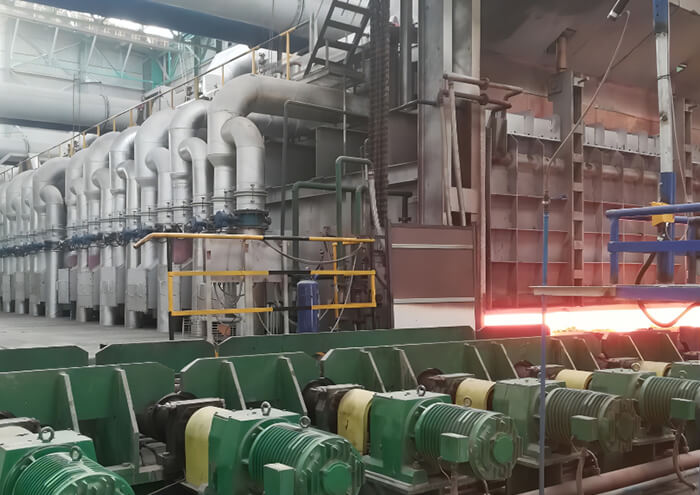
- Walking beam reheating furnace sliding rail supports and skid rails
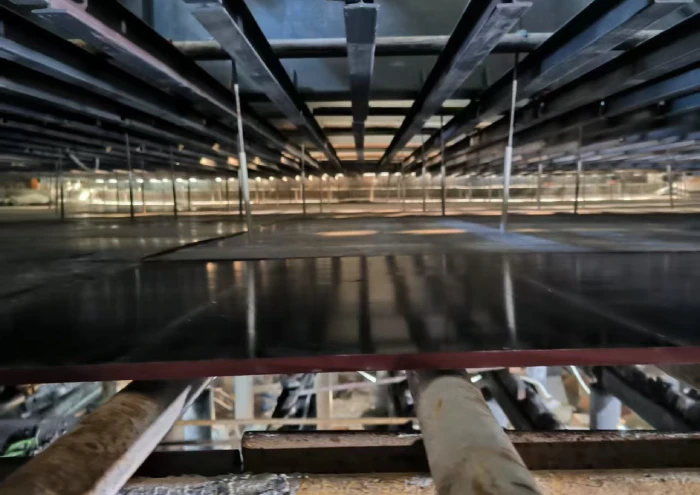
- Walking floor reheating furnace bottom platform and support structures
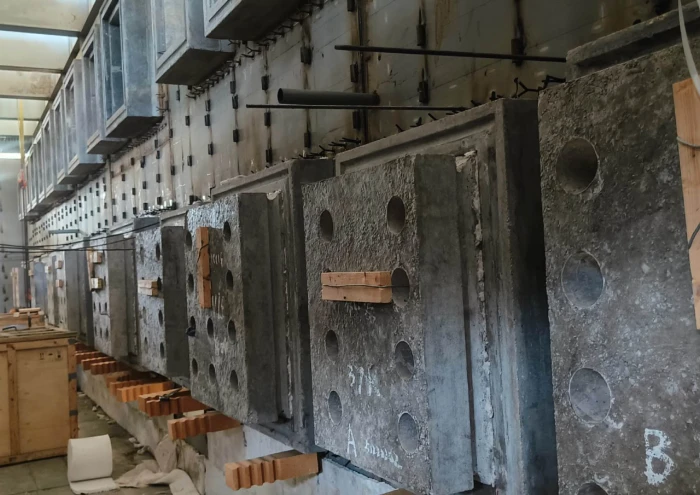
- Furnace hearth bearing zones subject to high mechanical abrasion from moving stock
- Transfer bars and discharge chutes in continuous reheating furnaces
- Soaking pit cover and support bricks in high-temperature zones
- Roller ring and pier brick systems in rotary hearth furnaces
Technical Specifications
| Property | Typical Value |
| Al2O3 Content | ≥ 85% |
| Cr2O3 Content | 8 – 15% |
| Bulk Density (g/cm³) | ≥ 3.0 |
| Apparent Porosity (%) | ≤ 16 |
| Cold Crushing Strength (MPa) | ≥ 120 |
| Refractoriness Under Load (T0.6, °C) | ≥ 1600 |
| Refractoriness (°C) | ≥ 1790 |
| Thermal Shock Resistance (950°C, water-cooled, cycles) | ≥ 20 |
Available Forms & Sizes
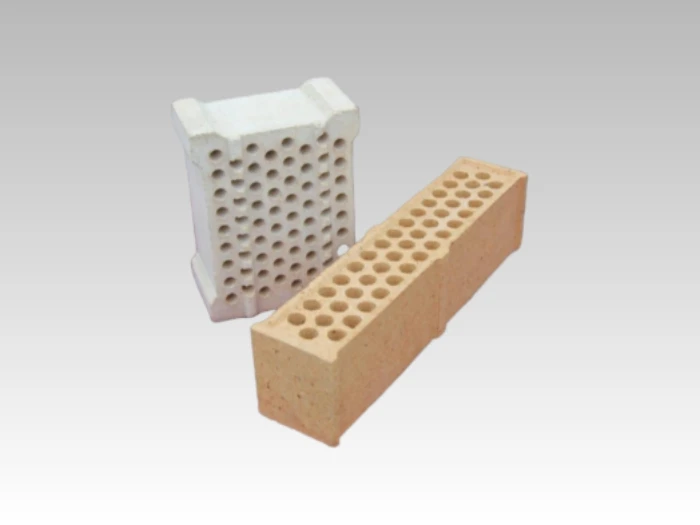
- Standard-size bricks conforming to international dimensional standards (230 x 114 x 65 mm and variants)
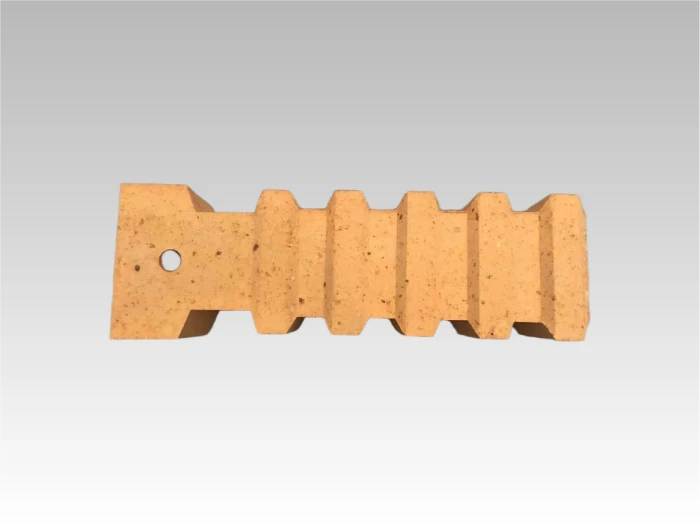
- Custom-shaped and special-size bricks manufactured per client furnace drawings and CAD specifications
- Platform blocks in various lengths and cross-sections to suit specific walking floor designs
- Tolerances: dimensional accuracy within ±1 mm for critical bearing surfaces
- Available in both fired and chemically bonded forms depending on application requirements
Installation / Application Method
Installation should be performed by qualified refractory masons following JHR application guidelines.
Bricks must be stored in a dry environment prior to installation. Moisture-sensitive grades should be protected from ambient humidity.
Lay bricks with tight joints using JHR-recommended high-alumina refractory mortar. Joint thickness should not exceed 2 mm for rail bearing surfaces.
Expansion joints must be provided as per furnace design specifications, typically filled with compressible ceramic fiber board.
After installation, a controlled dry-out and heat-up procedure is essential. Follow JHR recommended heating curve: initial holding at 150°C for moisture removal, followed by gradual ramp to operating temperature at 25-50°C/h above 600°C.
Avoid point loading or impact during installation to prevent edge chipping on high-density chrome corundum bricks.
Quality Assurance
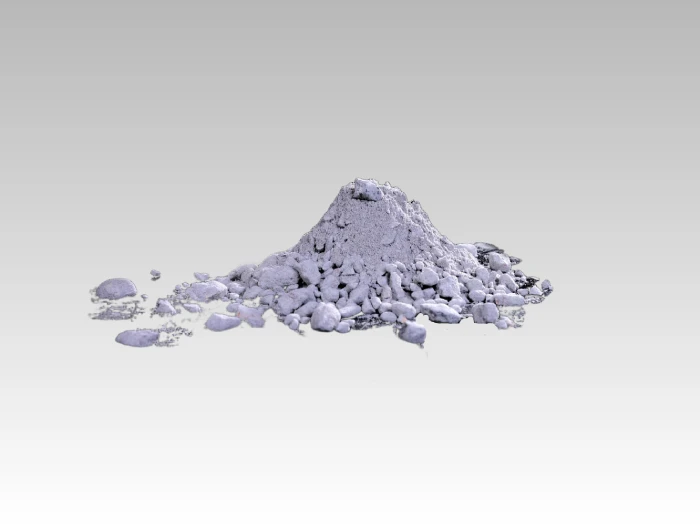
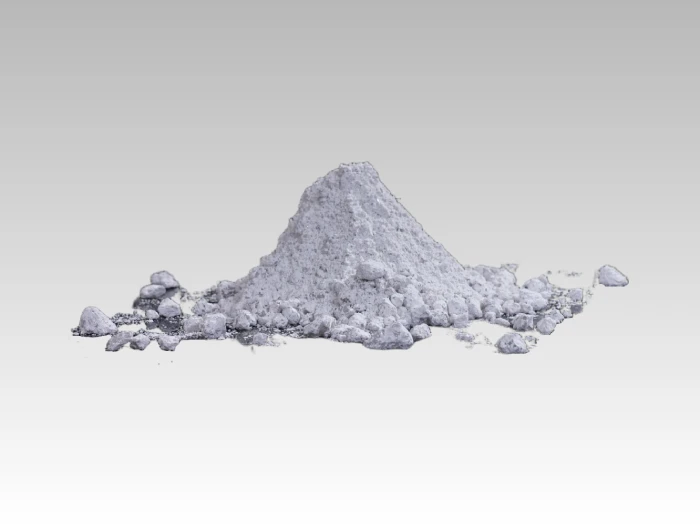
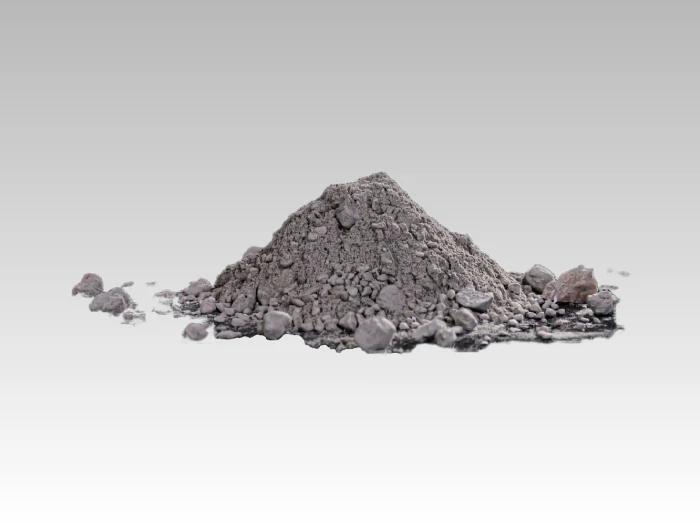
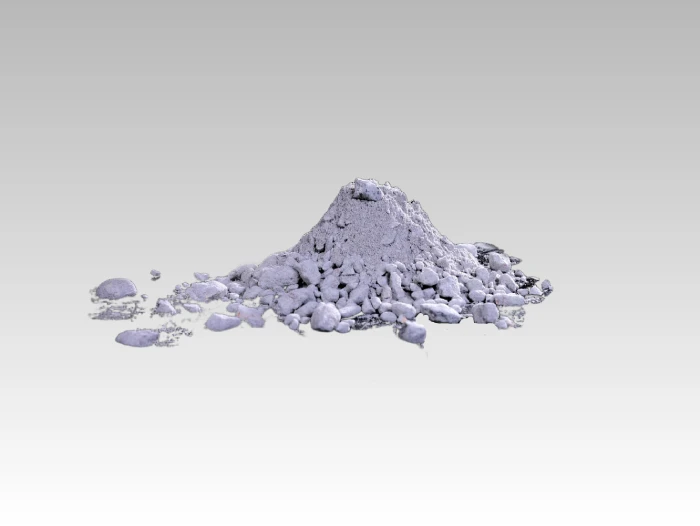
All bauxite, chrome oxide, and alumina raw materials undergo incoming inspection for chemical composition, particle size distribution, and contamination levels. Only certified raw materials from approved suppliers are accepted.
•Pressing parameters (tonnage, number of blows), drying schedules, and kiln firing profiles are monitored and documented for every production batch. Firing temperatures are continuously recorded via thermocouple tracings.
Every batch is tested for bulk density, apparent porosity, cold crushing strength, and chemical composition (XRF analysis). Sampling follows ISO 5022 standards. Test reports (EN 10204 Type 3.1) are provided with each shipment.