Description
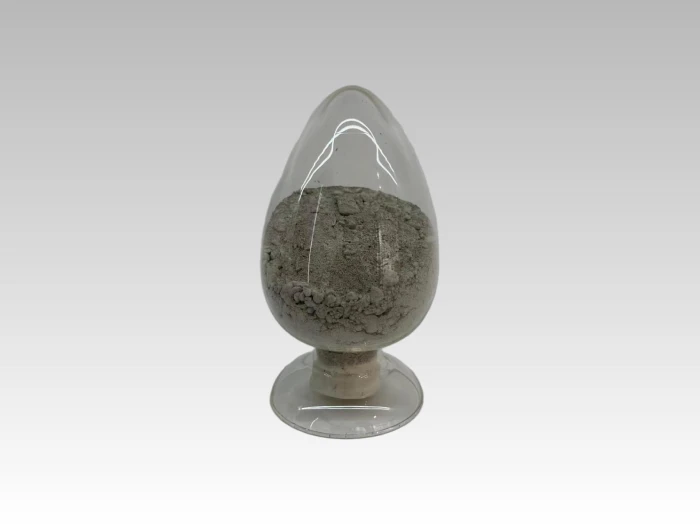
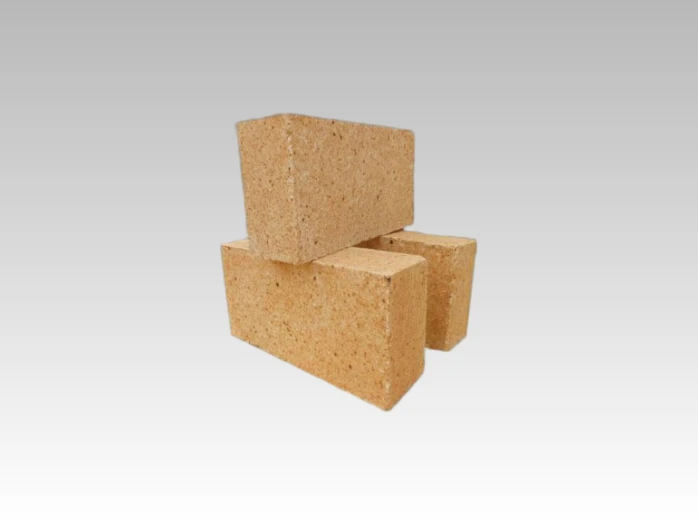
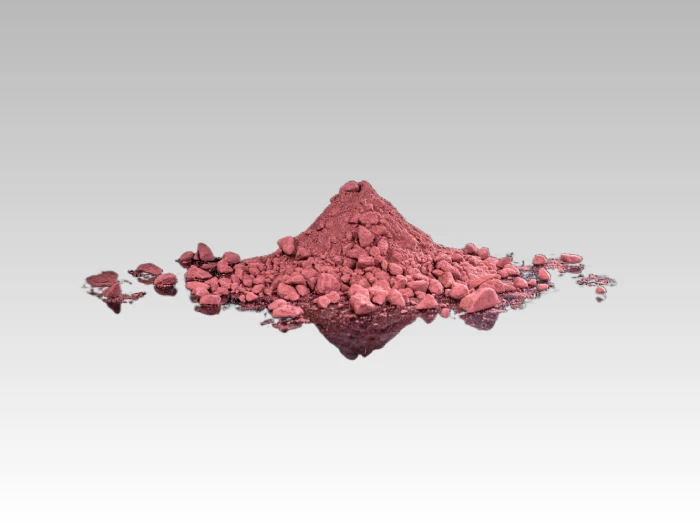
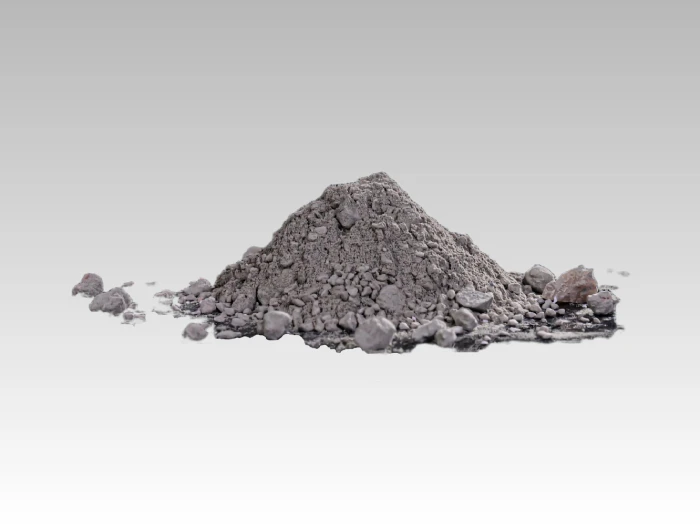
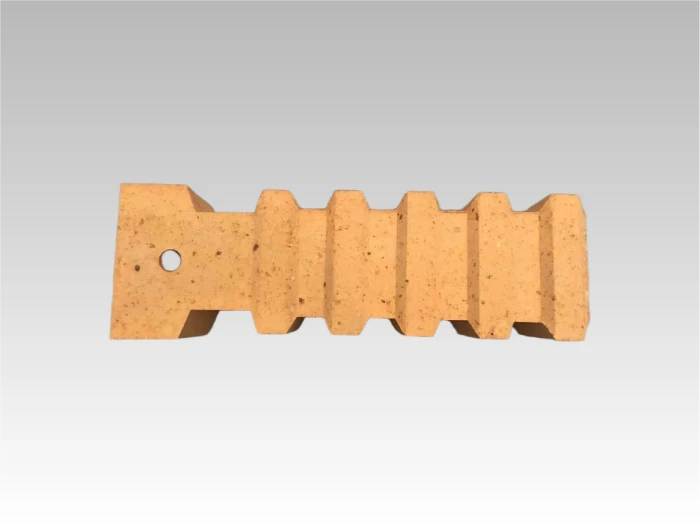
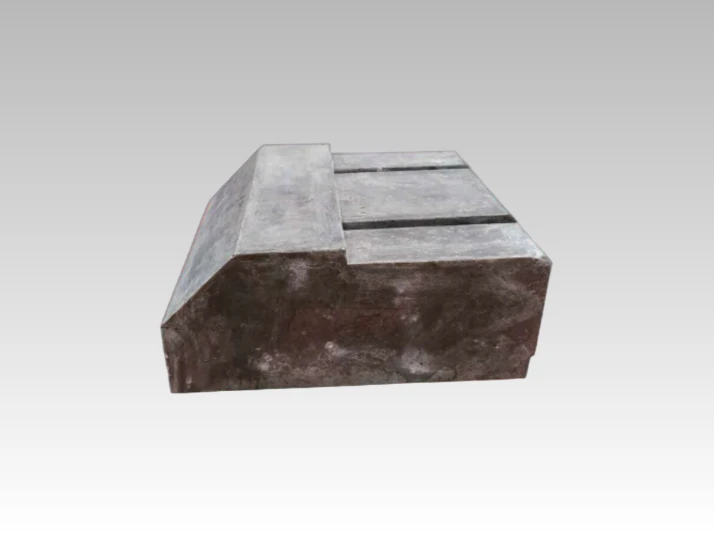
JHR High Strength Castable is an ultra-high-performance monolithic refractory engineered for the most mechanically demanding furnace environments. With a cold crushing strength exceeding 150 MPa and maintained hot strength of 60 MPa at 1400 degrees Celsius, this castable provides exceptional resistance to mechanical loading, high-velocity gas erosion, and abrasive particle impact. The optimized dense matrix achieves bulk densities above 2.6 g/cm3 with minimal porosity, ensuring outstanding durability in furnace hearth, bearing, and high-velocity gas flow zones.
Key Features
Typical Applications
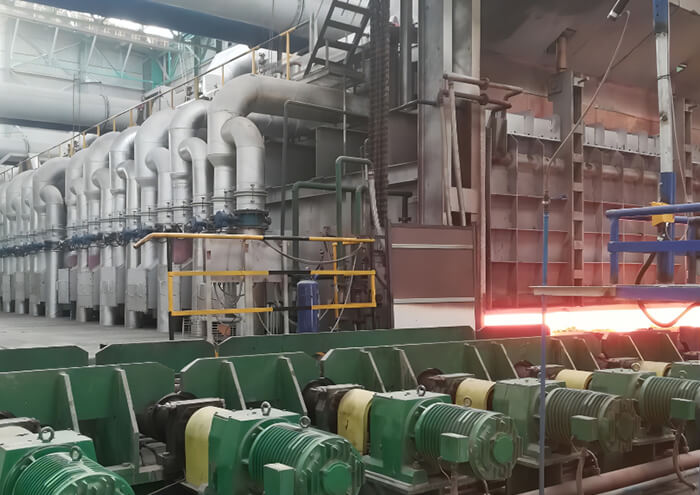
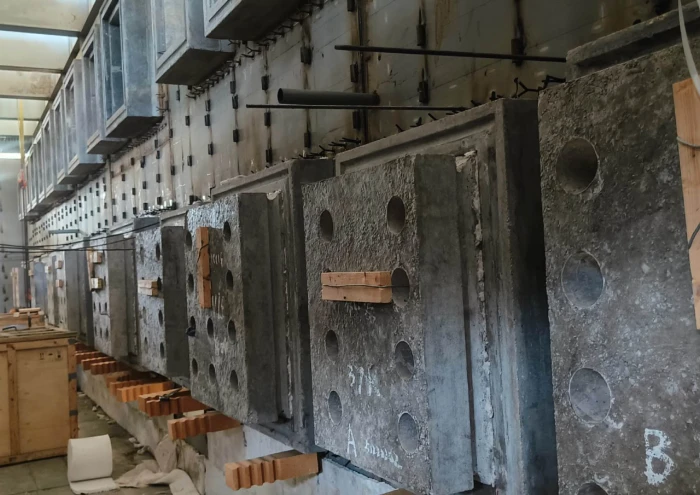
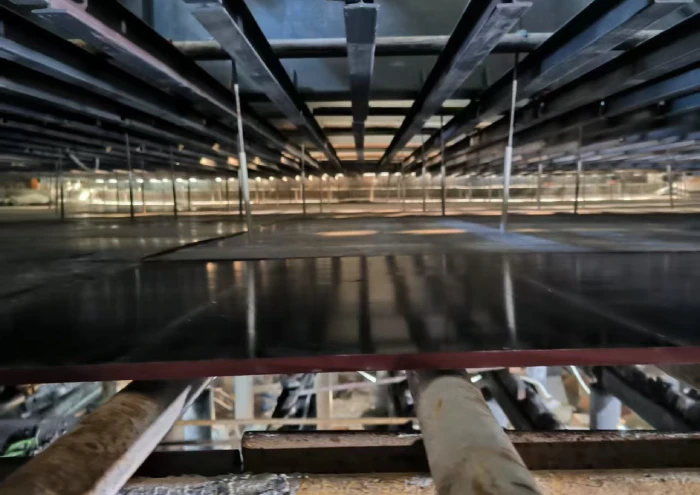
- Furnace hearth and bottom load-bearing zones supporting heavy rolling stock
- Walking beam skid rail foundations and support structures
- High-velocity gas flow zones near burner outlets and flue gas ducts
- Discharge end walls and panels exposed to abrasive hot stock impact
- Industrial furnace floors and working hearths in continuous reheating furnaces
- Taphole regions and slag barriers in certain furnace and ladle applications
Technical Specifications
| Property | Typical Value |
| Al2O3 Content | ≥ 65% |
| Bulk Density after Firing (g/cm³) | ≥ 2.6 |
| Cold Crushing Strength after Firing (MPa) | ≥ 150 |
| Hot Crushing Strength at 1400°C / 3h (MPa) | ≥ 60 |
| Refractoriness Under Load (T0.6, °C) | ≥ 1550 |
| Refractoriness (°C) | ≥ 1790 |
| Apparent Porosity after Firing (%) | ≤ 15 |
| Permanent Linear Change after Firing at 1500°C (%) | -0.3 to +0.3 |
Available Forms & Sizes
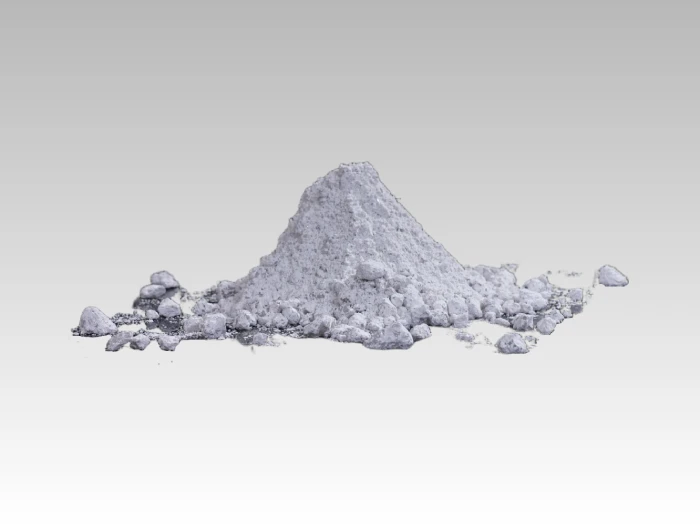
- Dry-mixed castable in 25 kg bags or 1-ton bulk bags
- Available in standard grade (65% Al2O3) and premium grade (80% Al2O3, CCS > 180 MPa)
- Low-cement (CaO < 2.5%) and ultra-low-cement (CaO < 1.0%) versions available for improved slag resistance
- Cement-free (colloidal silica bonded) version available for the most demanding applications
- Shelf life: 12 months when stored in original sealed packaging in dry conditions
Installation / Application Method
Use a forced-action pan mixer. Add clean water (4-5% by weight for low-cement grades, 5-6% for conventional grades) as specified on the product data sheet. Mix for 4-5 minutes. Low-cement grades may require extended mixing time for proper deflocculant activation.
Pour into oiled or release-agent-coated formwork. Place in layers of 150-200 mm maximum. Use internal poker vibrators for deep sections. Vibrate until the surface becomes glossy. Low-cement grades have longer working time but require more thorough vibration due to lower initial flow.
Must be rigid and leak-proof. Low-cement castables are more fluid and will seek their own level; ensure formwork can withstand hydrostatic pressure. For overhead or vertical applications, use appropriate formwork design with pour holes at appropriate spacing.
Metallic V-anchors or Y-anchors at 250-300 mm centers for walls, 200-250 mm for roofs. In high-load zones, consider ceramic anchor systems or increased anchor density. Anchor tips should be 10-15 mm below the working face.
Critical for high-density, low-permeability castables. Extended moisture removal schedule required: hold at 110 degrees Celsius for 36-48 hours, ramp at 10-15 degrees Celsius per hour to 350 degrees Celsius with 8-hour hold, then 20 degrees Celsius per hour to 800 degrees Celsius, then 30-50 degrees Celsius per hour to operating temperature. Steam vent holes may be required for thick sections.
Provide at 1.0 m intervals in walls and 0.8 m in roofs. Use ceramic fiber board of appropriate thickness. Joints should be full depth through the castable lining.
Quality Assurance
High-purity fused alumina and tabular alumina aggregates are sourced from certified suppliers. Each incoming batch is tested for chemical composition (XRF), bulk density, and water absorption. Microsilica, alumina cement, and deflocculants are tested to specification before use.
Automated batching with load cell accuracy of plus/minus 0.3%. Mixing time and water content are precisely controlled. Production parameters are recorded and linked to batch numbers for full traceability. Environmental conditions (temperature, humidity) are monitored.
Every batch is tested for cold crushing strength (after firing at 1500 degrees Celsius for 3 hours), bulk density, apparent porosity, and permanent linear change. Hot crushing strength and RUL are tested on a quarterly basis or per lot as agreed. Test certificates with actual values accompany each delivery.