Description
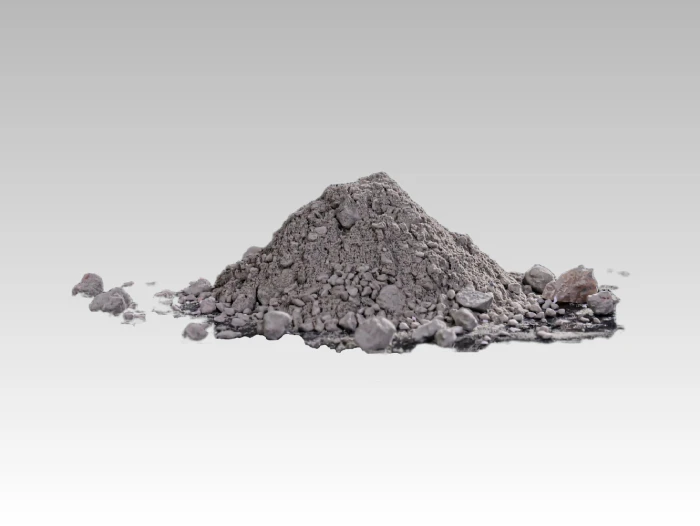
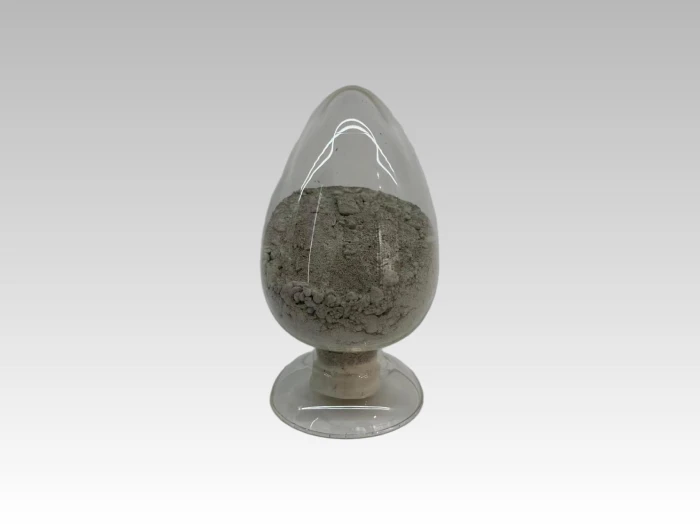
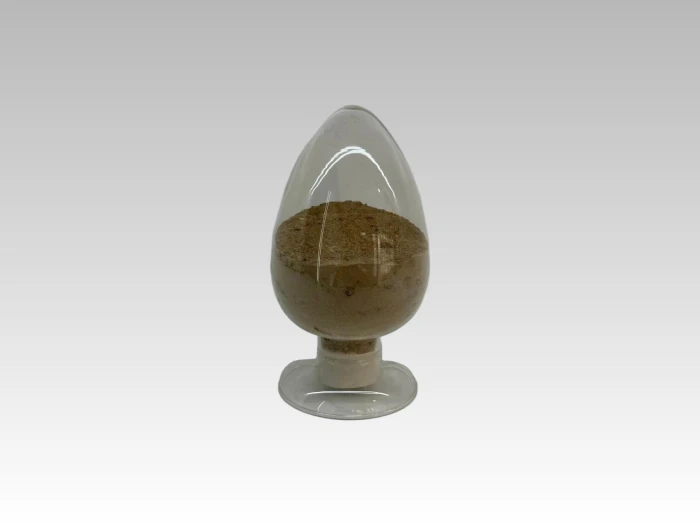
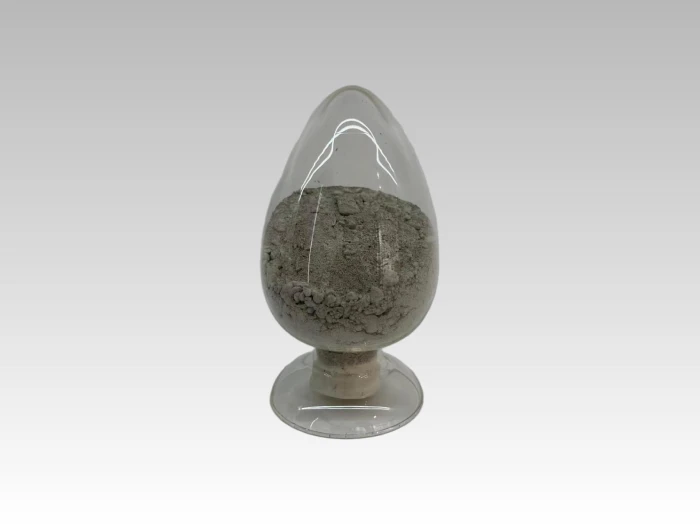
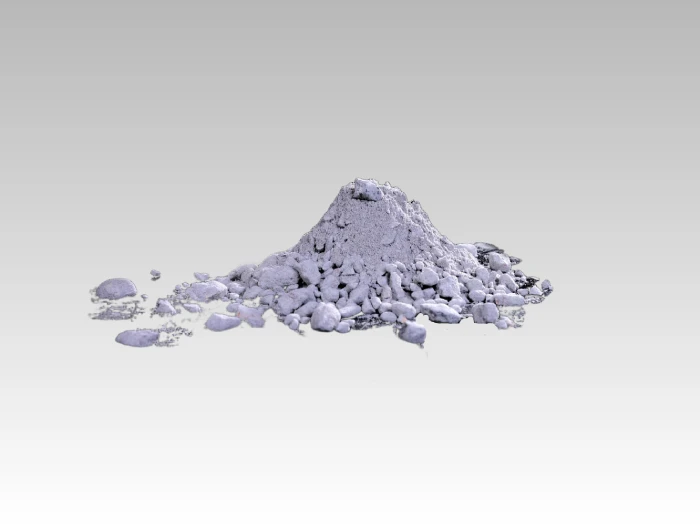
JHR Gunning Mix is a range of high-performance spray-applied refractory materials designed for rapid furnace lining construction and hot repair. Available in both wet-process (shotcreting) and dry-process (pneumatic conveying) formulations, these gunning mixes deliver installation speeds 5 to 10 times faster than conventional bricklaying, with excellent adhesion to existing refractory substrates. With alumina content options ranging from 50% to 85%, JHR gunning mixes cover the full spectrum of heating furnace lining requirements from backup layers to hot-face working linings.
Key Features
Typical Applications
- Hot repair and patch maintenance of operating furnace linings without shutdown
- Complete relining of reheating furnace walls, roofs, and endwalls using spray application
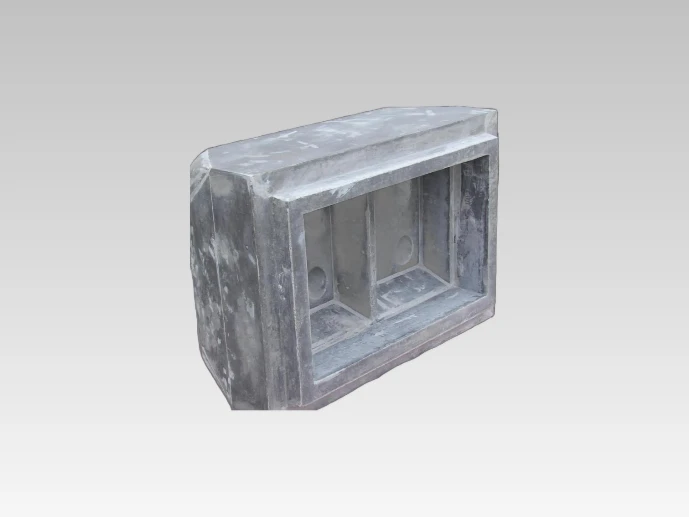
- Application to burner blocks, knock-out panels, and complex geometries difficult to brick
- Backup lining application in combination with dense hot-face refractory systems
- Emergency repair of spalled or damaged refractory linings in active furnace campaigns
- Slag line repair in furnace lower walls and bottom zones exposed to oxide scale attack
Technical Specifications
| Al2O3 Content Range | 50 – 85% (grade dependent) |
| Bulk Density (g/cm³) | 1.8 – 2.5 (grade dependent) |
| Cold Crushing Strength after Firing (MPa) | ≥ 30 |
| Refractoriness (°C) | ≥ 1600 |
| Refractoriness Under Load (T0.6, °C) | ≥ 1400 (grade dependent) |
| Adhesion Strength to Substrate (MPa) | ≥ 1.5 |
| Rebound Rate (%) | ≤ 15 |
| Linear Change after Firing at 1500°C (%) | -0.5 to +0.5 |
| Moisture Content (wet mix, %) | ≤ 5.0 |
Available Forms & Sizes
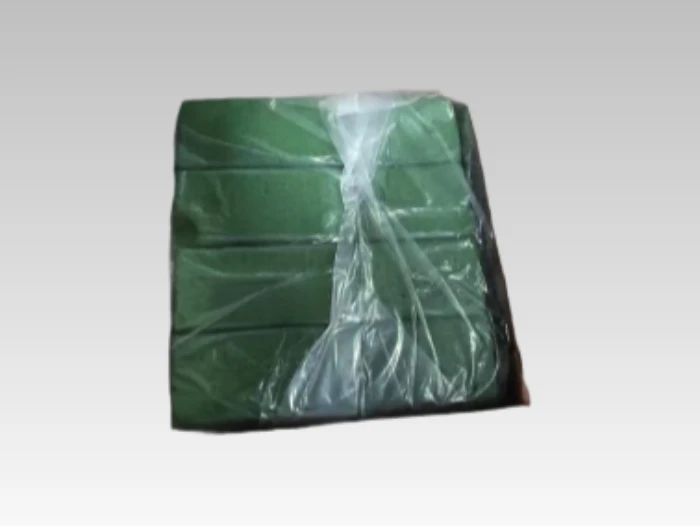
- Dry gunning mix: Pre-blended dry powder in 25 kg bags or 1-ton bulk bags (FIBC), ready for addition to dry gunning machines
- Wet gunning mix: Pre-mixed wet material in sealed containers or bulk tanks, ready for wet shotcrete pump application
- Grade range: Light-weight insulating grades (50% Al2O3, BD ~1.8 g/cm3) through medium-duty (65% Al2O3) to high-duty corundum grades (85% Al2O3, BD ~2.5 g/cm3)
- Custom formulations available: Addition of steel fiber reinforcement, silicon carbide, or specific slag-resistant additives upon request
- Shelf life: 6 months for dry mix when stored in original packaging in a dry environment; 30 days for pre-mixed wet material
Installation / Application Method
Material is fed into a pneumatic gunning machine and conveyed through hoses to the spray nozzle. Water is added at the nozzle via a water ring. Nozzle pressure should be maintained at 0.3-0.5 MPa. Stand-off distance: 0.8-1.2 m from substrate. Spray angle: as close to perpendicular as possible (minimum 60 °C).
Pre-mixed wet material is pumped through a wet shotcrete pump to the spray nozzle. Compressed air is introduced at the nozzle to atomize and accelerate the material. Pump output typically 2-8 m3/hour depending on equipment size.
Remove all loose material, dust, and contaminants from the existing substrate. For hot repair, the surface temperature should be above 200 °C to ensure bonding. For cold repair, apply a bonding agent if specified.
Apply in uniform layers of 30-80 mm thickness per pass. For thicker linings, apply multiple layers with intermediate curing periods. Minimum total lining thickness: 50 mm.
Allow initial set (typically 2-4 hours for wet mix, immediate for dry process). Protect freshly applied material from drafts, rain, and rapid temperature changes. Curing time: minimum 24 hours before heat-up.
Follow controlled heating at 20-30 °C per hour up to 300 °C (moisture removal), hold for 4-8 hours, then ramp at 30-50 °C per hour to operating temperature.
Quality Assurance
Automated batching systems with load cell accuracy of plus/minus 0.5% ensure consistent blend proportions. Raw materials are sampled and tested before blending. Particle size distribution is verified by sieve analysis for every batch.
Mixing time, water addition (wet mixes), and blending uniformity are monitored and documented. Each batch is assigned a unique production number for full traceability. Finished product samples are retained for 12 months.
Every production batch is tested for grain size distribution, moisture content, bulk density, and setting time. Application properties (adhesion, rebound) are validated through periodic field trials. Test certificates with actual values are provided with each shipment.