Description
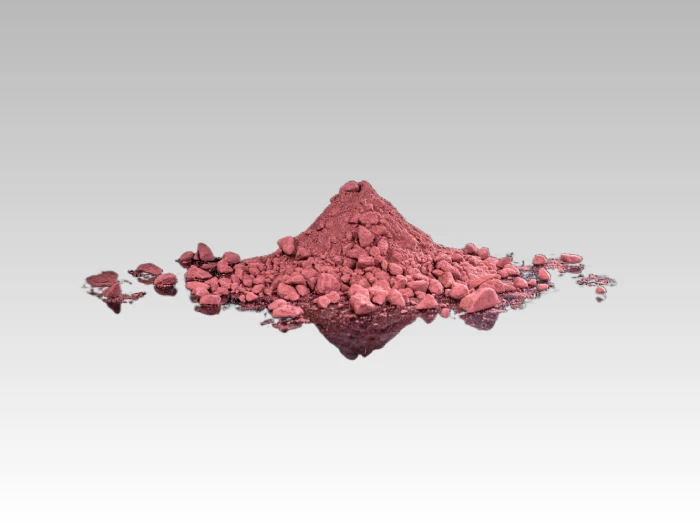
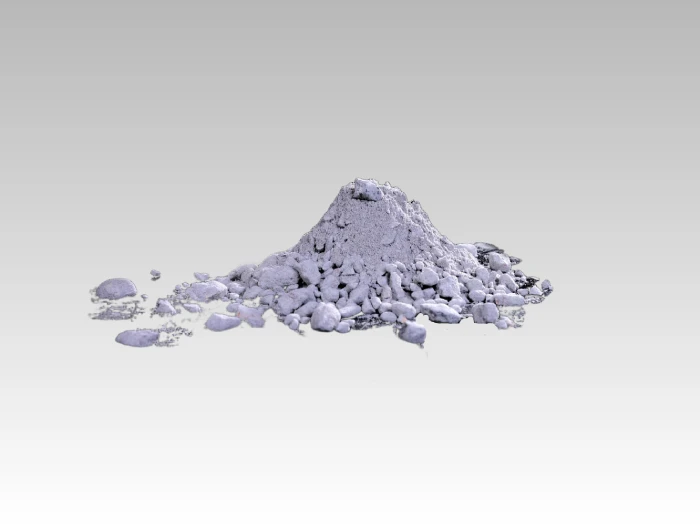
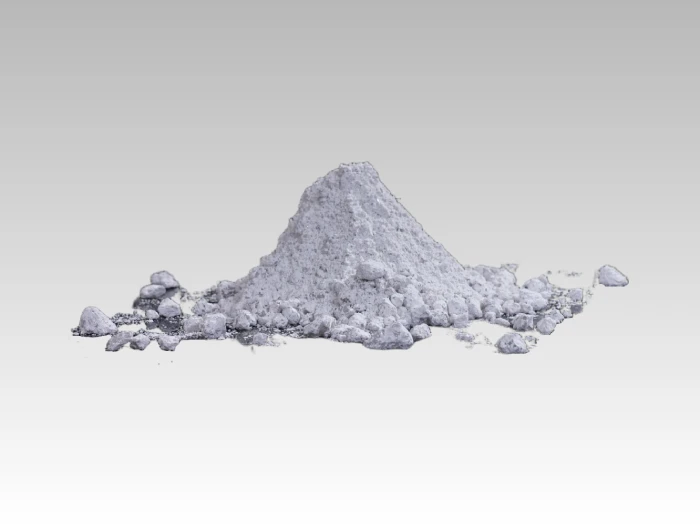
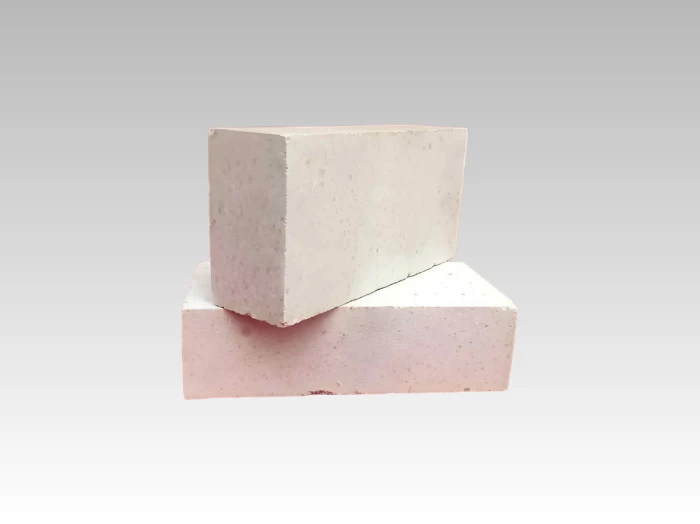
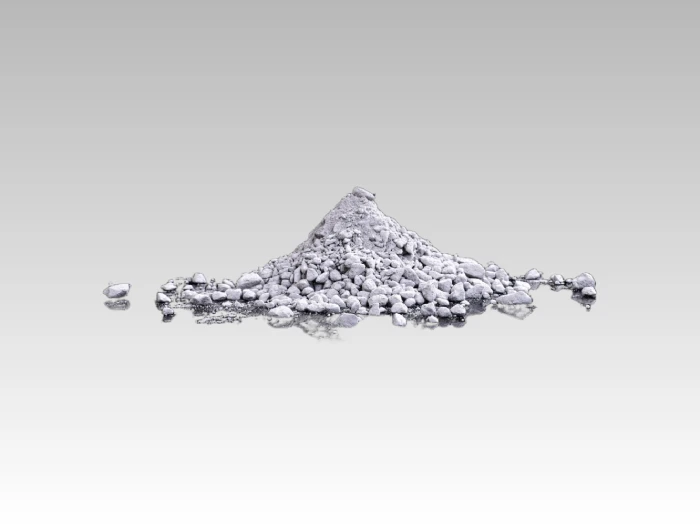
JHR Fast-drying High-strength Castable is an innovative monolithic refractory engineered specifically for applications where minimizing furnace commissioning time or repair downtime is the critical priority. Incorporating proprietary anti-explosion fiber technology and optimized pore structure design, this castable permits heating rates of up to 100 degrees Celsius per hour in the 150-600 degrees Celsius range, enabling complete dry-out and commissioning in 3-5 days compared to the conventional 7-14 days. This rapid heat-up capability translates directly into reduced production losses during new furnace startups, relining projects, and emergency repairs.
Key Features
Typical Applications
- Emergency furnace repairs where production loss must be minimized
- New furnace construction projects requiring accelerated commissioning schedules
- Campaign relining during planned shutdowns with tight return-to-service deadlines
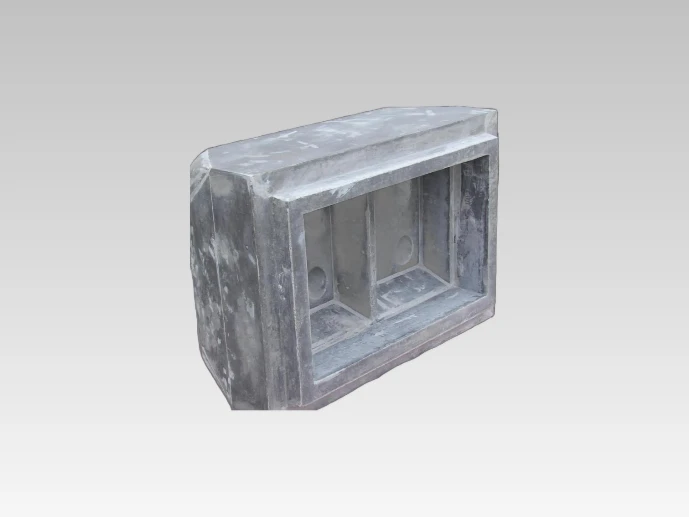
- Rapid replacement of damaged burner blocks, door surrounds, and other critical components
- Seasonal maintenance turnarounds where every hour of downtime has significant production cost
- Standby furnace reactivation after extended cold shutdown periods
Technical Specifications
| Property | Typical Value |
| Al2O3 Content | ≥ 60% |
| Bulk Density after Firing (g/cm³) | ≥ 2.3 |
| Cold Crushing Strength after Firing (MPa) | ≥ 80 |
| Maximum Safe Heating Rate (150-600°C range) | Up to 100°C/h |
| Minimum Dry-Out Time (to 1000°C) | 3 – 5 days |
| Refractoriness (°C) | ≥ 1750 |
| Refractoriness Under Load (T0.6, °C) | ≥ 1500 |
| Permanent Linear Change after Firing at 1500°C / 3h (%) | -0.5 to +0.5 |
| Apparent Porosity after Firing (%) | ≤ 20 |
| Thermal Shock Resistance (1100°C, water, cycles) | ≥ 15 |
Available Forms & Sizes
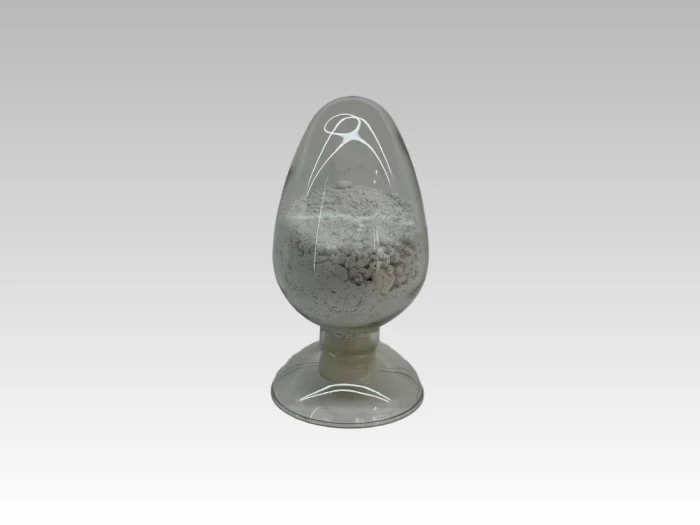
- Dry-mixed castable in 25 kg bags or 1-ton bulk bags (FIBC)
- Available in two standard grades: 60% Al2O3 (general purpose rapid dry-out) and 70% Al2O3 (enhanced strength with rapid dry-out)
- Anti-explosion fiber content: 0.5-1.5% organic fiber (type and content optimized for section thickness)
- For sections thicker than 300 mm, a higher fiber content grade is recommended
- Shelf life: 12 months when stored in sealed, dry conditions. The anti-explosion fibers are stable and do not degrade during storage.
Installation / Application Method
Standard forced-action mixer. Add 5-6% clean water by weight as specified on product data sheet. Mix for 3-5 minutes until homogeneous. Working time is approximately 30 minutes at 20 degrees Celsius.
Standard placement by pouring and vibration. The rapid-heating castable has good flow characteristics and is self-leveling with moderate vibration. Place in layers up to 250 mm thick for wall applications.
For sections thicker than 200 mm, drill steam vent holes (6-8 mm diameter) at 200-300 mm spacing after initial set. These provide escape paths for steam during rapid heating and reduce the risk of pressure-related spalling.
After 24 hours ambient cure, begin heating. Ramp at 20 degrees Celsius per hour to 150 degrees Celsius, hold 2 hours. Then ramp at 50-100 degrees Celsius per hour to 600 degrees Celsius (the critical moisture removal zone). Hold 2 hours at 600 degrees Celsius. Continue at 50-80 degrees Celsius per hour to operating temperature. Total time from cold to 1000 degrees Celsius: 3-5 days depending on lining thickness.
During rapid dry-out, monitor back-face temperature and listen for any unusual sounds indicating internal steam pressure. If concerns arise, reduce heating rate or add holding periods. JHR application engineers are available for remote consultation during critical dry-out operations.
Standard practice – provide at 1.0-1.5 m intervals. The rapid-heating castable can accommodate standard joint spacing due to its controlled thermal expansion characteristics.
Quality Assurance
The type, quantity, and dispersion of anti-explosion fibers in each batch are verified through visual inspection of mixed samples and through standardized dry-out testing on representative test panels. Fiber content is confirmed to be within specification before batch release.
New formulations and periodic production batches undergo validated rapid dry-out testing in a test furnace. Test panels of 200 mm and 300 mm thickness are subjected to the maximum recommended heating rate and inspected for cracks, spalling, or structural damage after cooling.
In addition to dry-out performance, each batch is tested for all standard properties: cold crushing strength, bulk density, apparent porosity, and permanent linear change. Test certificates with actual values are provided with every shipment. Full batch traceability from raw materials to finished product is maintained.