Background
Regenerative heating systems operate under extreme cyclic conditions: frequent temperature alternations between high-temperature flue gas and cold combustion air, high-velocity dust-laden gas erosion, and thermal shock from rapid direction switching. Conventional regenerative media and burner components often suffer from rapid efficiency degradation, blockage by iron scale dust, cracking and spalling after short service time. These issues directly weaken the energy-saving effect, increase fuel costs, and require frequent shutdowns for replacement of regenerative units, dragging down overall production efficiency. To sustain high heat recovery rate and reduce maintenance frequency, a purpose-built refractory solution optimized for regenerative zones is indispensable.
Solution
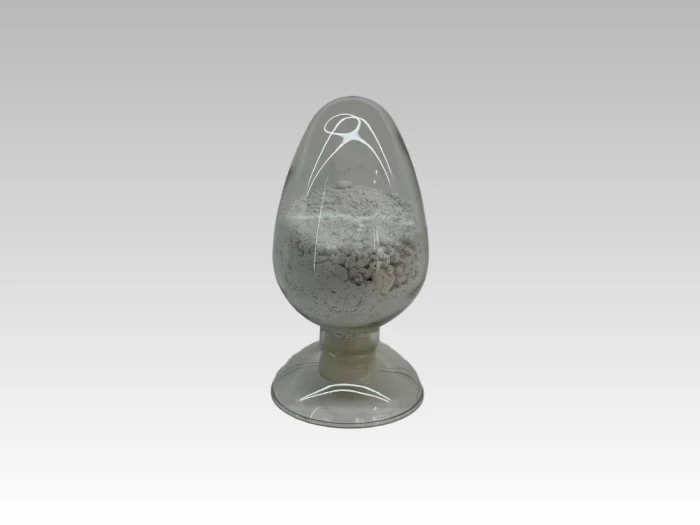
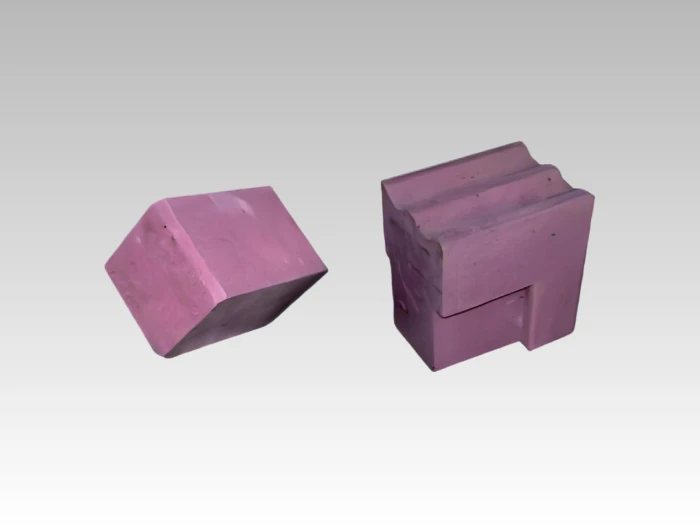
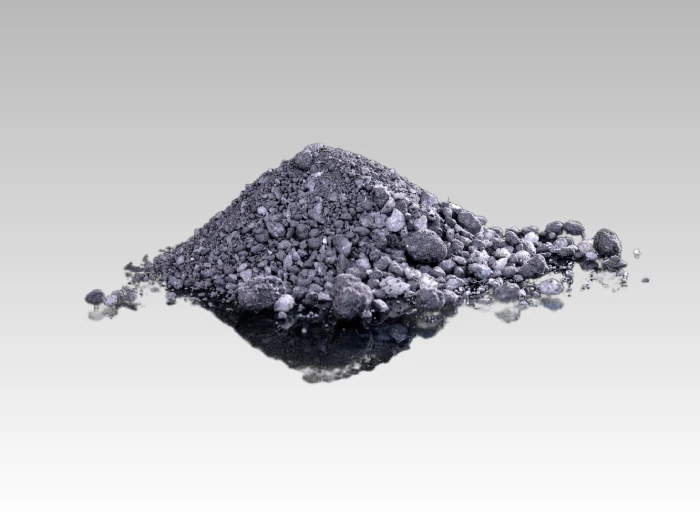
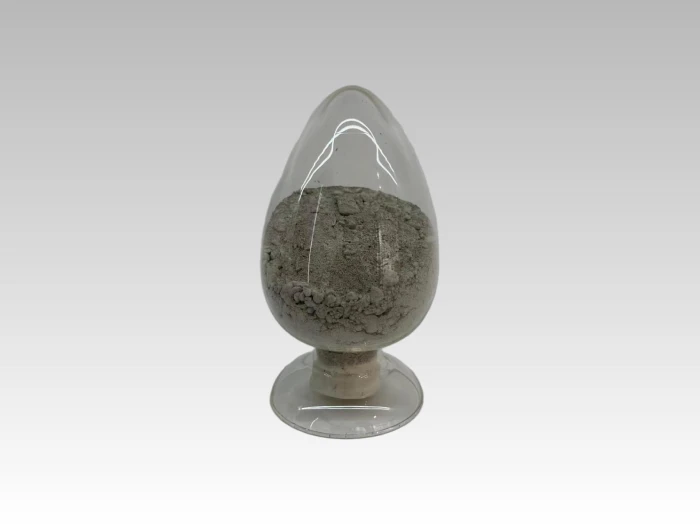
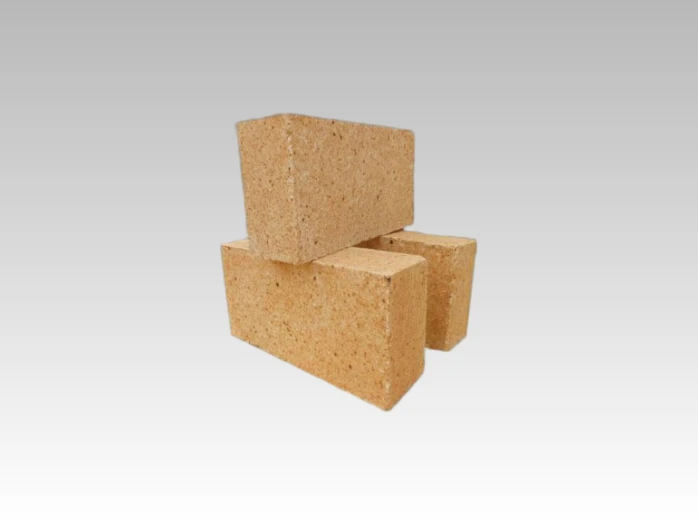
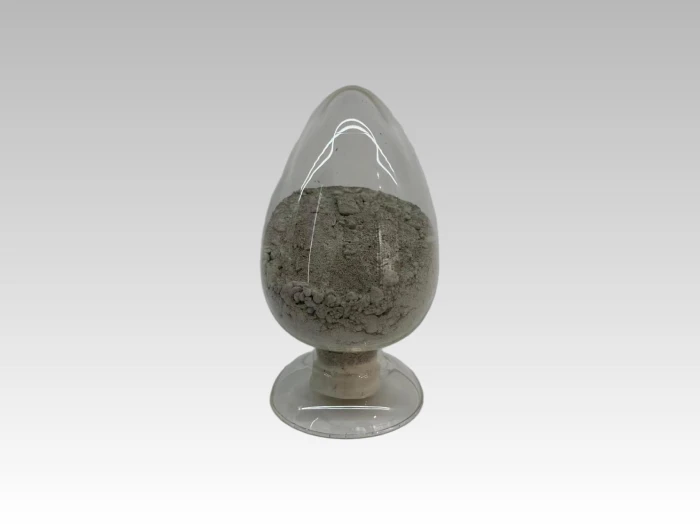
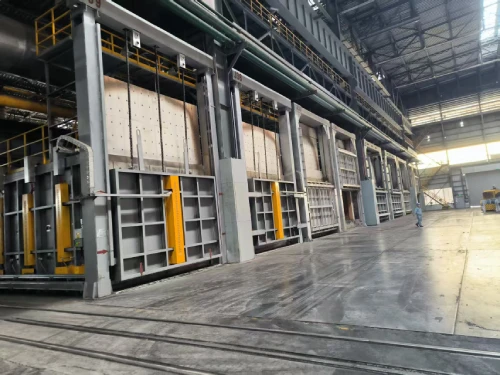
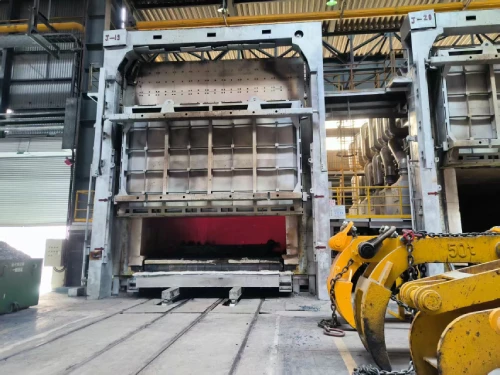
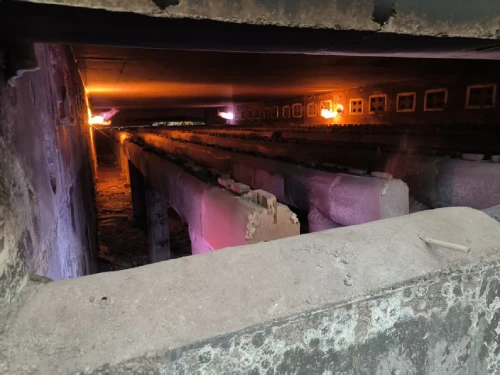
Our solution focuses on core regenerative components with targeted material design and precise engineering.JH honeycomb bricks are the core heat exchange medium, manufactured with optimized cordierite-mullite or high-alumina formulations. With uniform pore structure and high specific surface area, they deliver excellent heat transfer performance and outstanding thermal shock resistance, maintaining structural integrity after tens of thousands of thermal cycles. The matched JH panel bricks are installed as the retaining and protective layer inside regenerative boxes, featuring high abrasion resistance to withstand long-term scouring of high-speed flue gas.For burner nozzles, the most vulnerable zone under direct flame impact, JH burner bricks adopt high-purity fused alumina matrix with reinforced particle grading. The products feature precise dimensional tolerance, excellent spalling resistance and high-temperature strength, adapting to frequent temperature fluctuations during reversing combustion.Integrated JH regenerative box precast assemblies are also available, factory-fabricated for high dimensional accuracy and on-site rapid installation, effectively reducing air leakage at module joints and improving overall heat recovery efficiency.
Conclusion
Investing in application-specific refractory solutions for regenerative systems is a cost-effective strategy for steel mills to deepen energy saving and emission reduction. It extends the service life of regenerative components, sustains high heat exchange efficiency throughout the campaign, and cuts unplanned downtime for maintenance. Ultimately, it translates into lower fuel costs, more stable heating quality, and better economic benefits for hot rolling production.